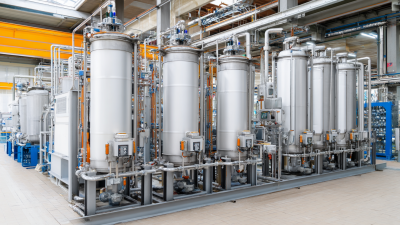
Why You Need a Bag Filter System for Efficient Air and Liquid Filtration
In an era where environmental regulations are becoming increasingly stringent, industries are compelled to adopt more efficient filtration solutions to ensure compliance and enhance operational efficiency. A bag filter system has emerged as a crucial component in both air and liquid filtration processes, effectively trapping contaminants and improving product quality. According to a report by Research and Markets, the global air filtration market is projected to reach USD 30.5 billion by 2025, driven largely by the need for cleaner air in industrial processes and the rising emphasis on environmental health.
Bag filter systems not only serve as an essential filtration method but also contribute to energy savings and extended equipment lifespan. The Environmental Protection Agency (EPA) indicates that particulate matter can have detrimental effects on health and the environment; hence, industries must prioritize the implementation of advanced filtration systems. Furthermore, a study by the Filtration Society reveals that bag filters can achieve efficiencies exceeding 99%, significantly reducing operational costs associated with waste disposal and maintenance. As industries continue to focus on sustainability and compliance, investing in a bag filter system becomes an indispensable strategy for success in today's competitive landscape.
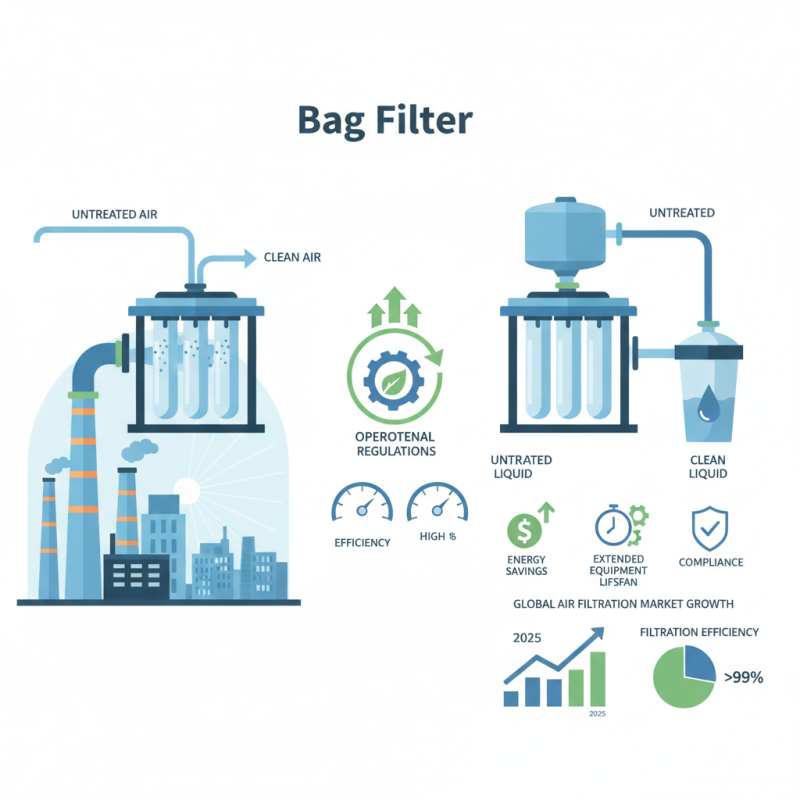
The Importance of Bag Filter Systems in Filtration Processes
Bag filter systems are essential components in achieving efficient air and liquid filtration processes across various industries. These systems utilize fabric filter bags to trap particles, providing a reliable solution to maintain air quality and protect downstream equipment. According to a report by the Global Filtration Market, the demand for filtration systems is expected to grow at a CAGR of 5.2% through 2026, highlighting their critical role in industrial applications. In environments where air cleanliness is paramount—such as pharmaceuticals and food production—bag filters not only enhance product quality but also comply with stringent regulatory standards.
Furthermore, in liquid filtration processes, bag filters stand out for their effectiveness in removing contaminants while maintaining high flow rates. A study from the American Filtration Society reveals that bag filter systems can achieve a particle removal efficiency of up to 99.9%, making them a preferred choice for wastewater treatment facilities and chemical processing plants. This high level of efficiency not only improves the purity of liquids but also prolongs the lifespan of critical equipment, resulting in significant cost savings. As industries continue to prioritize sustainability and environmental responsibility, investing in advanced bag filter systems becomes increasingly vital for both operational efficiency and compliance with environmental regulations.
Types of Bag Filters Used for Air and Liquid Filtration
Bag filters are crucial components in both air and liquid filtration systems, providing an efficient way to capture contaminants and improve overall quality. In the realm of air filtration, there are several types of bag filters designed to meet specific needs. For instance, synthetic media filters excel at removing fine particles, while HEPA (High-Efficiency Particulate Air) filters are essential in applications requiring the highest level of cleanliness. These filters can trap particles as small as 0.3 microns, making them ideal for clean rooms, hospitals, and other environments where air purity is paramount.
When it comes to liquid filtration, bag filters serve a different but equally important purpose. They are widely used in industries such as food and beverage, pharmaceuticals, and water treatment. The common types include mesh filters, which are effective for coarse filtration, and felt filters, which are designed for finer filtration needs. The choice of bag filter depends largely on the viscosity of the fluid and the nature of the contaminants. Using the appropriate bag filter ensures optimal performance, prolongs equipment life, and maintains the integrity of the processed material.
Key Advantages of Implementing a Bag Filter System
Implementing a bag filter system for air and liquid filtration offers numerous advantages that can significantly enhance operational efficiency and environmental compliance. According to a report by the Global Filtration Market, the filtration industry is projected to reach $40 billion by 2026, underscoring the increasing demand for effective filtration solutions. Bag filter systems are known for their ability to remove a wide range of contaminants, including dust, particulate matter, and various liquid impurities, thereby improving overall air and water quality.
One of the key advantages of bag filter systems is their high filtering efficiency. Studies indicate that bag filters can achieve efficiency rates exceeding 95% for particulate removal, which is crucial in maintaining clean emissions and adhering to regulatory standards. Additionally, these systems are designed for easy maintenance and can be replaced quickly without significant downtime. This is particularly beneficial for industries where continuous operations are essential, as it minimizes disruptions and enhances productivity. Moreover, the lower energy consumption associated with modern bag filter systems results in reduced operational costs, making them an attractive option for businesses looking to optimize their filtration processes.
Industries Benefiting from Bag Filter Systems for Filtration
Bag filter systems are crucial in various industries for efficient air and liquid filtration processes. In the manufacturing and chemical sectors, these systems play a vital role in maintaining clean production environments. By effectively removing particulate matter and contaminants from the air and liquids, bag filters help in reducing equipment wear, enhancing product quality, and complying with environmental regulations. This is particularly important in operations where precision and cleanliness are paramount, such as pharmaceutical and food processing industries, where any contamination can lead to significant financial losses and health risks.
Additionally, the mining and metal industries utilize bag filter systems to manage dust and harmful emissions generated during extraction and processing. These systems capture fine particles that could otherwise contribute to air pollution and worker exposure to hazardous substances. By implementing efficient filtration solutions, these industries not only protect the health of their workforce but also improve their overall operational efficiency. Additionally, waste treatment facilities benefit from bag filters by ensuring that effluents meet regulatory standards before release, thus safeguarding the environment and public health. Overall, the versatility and efficiency of bag filter systems make them indispensable across a variety of sectors striving for sustainability and safety in their operations.
Maintenance and Performance Optimization of Bag Filter Systems
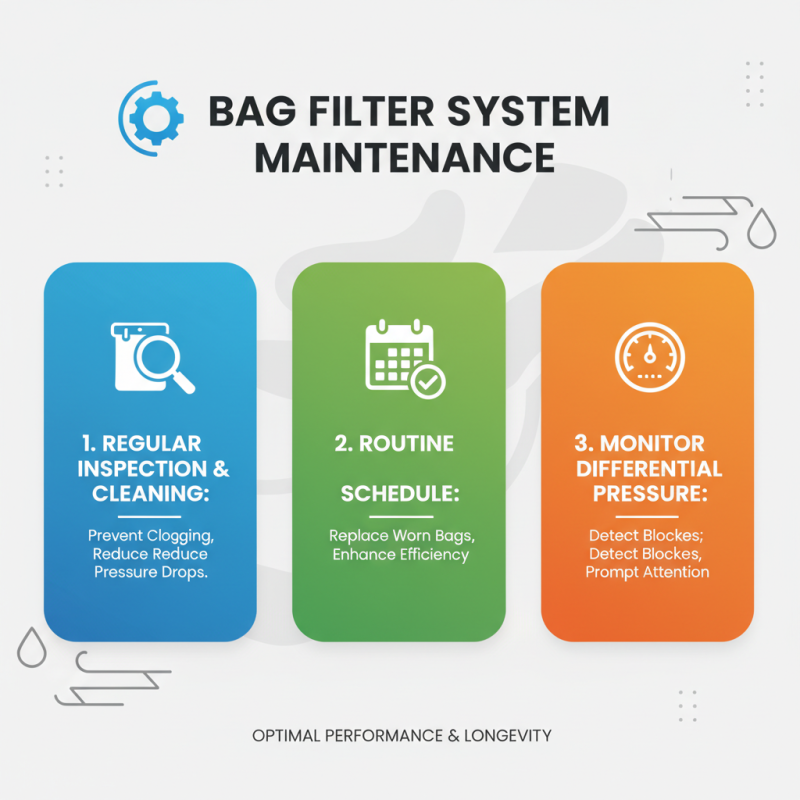
The maintenance of bag filter systems is crucial for ensuring optimal performance and longevity. Regular inspection and cleaning of the filters help to prevent clogging and reduce pressure drops, which can adversely affect airflow and filtration efficiency. Implementing a routine maintenance schedule that includes replacement of worn-out bags and thorough cleaning not only extends the life of the system but also enhances the overall efficiency of air and liquid filtration processes. Monitoring the differential pressure across the filters is also essential, as significant increases can indicate blockages or saturation that need immediate attention.
Performance optimization involves fine-tuning various system parameters to maximize filtration efficiency. Factors such as airflow rate, filter material selection, and system design should be carefully evaluated in relation to the specific application. Utilizing advanced monitoring technologies can provide real-time insights into performance metrics, enabling proactive adjustments that enhance efficiency and reduce operational costs. Furthermore, training personnel on the best practices for operating and maintaining the system can significantly contribute to achieving optimal filtration results and minimizing unplanned downtime.