What is a Bag Filter System and How Does it Work?
The bag filter system is a vital component in various industrial processes. It plays a crucial role in air and liquid filtration. These systems can effectively remove impurities, dust, and contaminants, ensuring cleaner environments.
In a typical bag filter system, filters made of specialized materials capture particles. The process involves the flow of fluid through the filter bags. While efficient, the system does have limitations. Over time, bags may clog or lose effectiveness. Regular maintenance is key to sustaining performance.
Despite their advantages, users sometimes underestimate the importance of monitoring bag conditions. Neglecting this can lead to reduced filtration and increased operational costs. Thus, understanding the bag filter system is essential for effective use and maintenance in various applications.
What is a Bag Filter System?
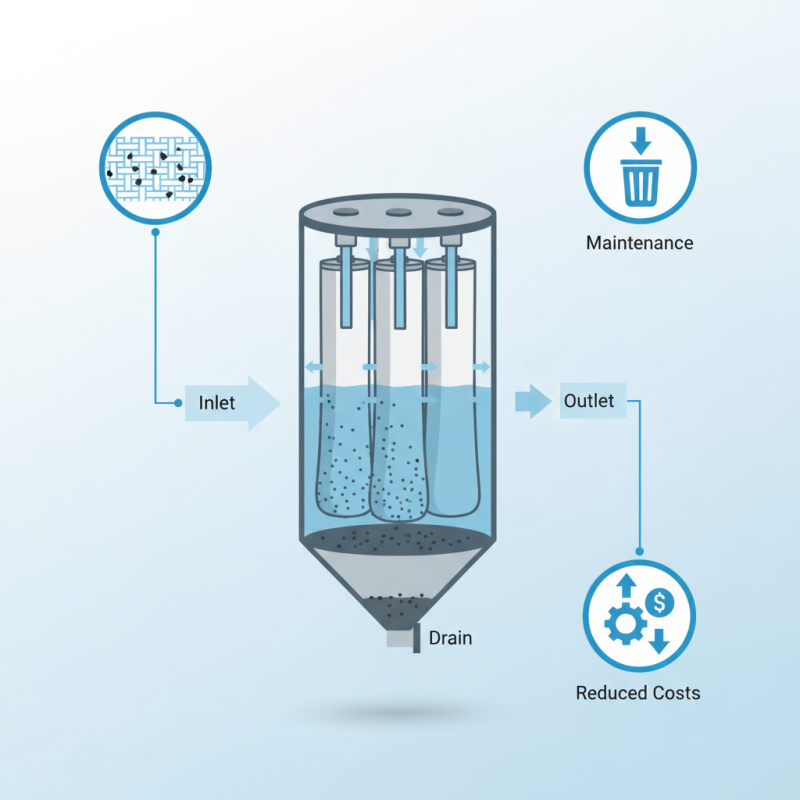
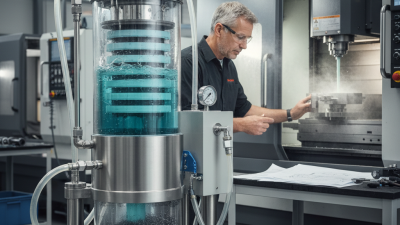
A bag filter system is a crucial component in various industries for maintaining air and fluid quality. This system primarily uses filter bags to capture particulates and impurities. The bags are made from different materials, depending on the specific needs of the application. These filters operate by allowing the fluid to pass through while trapping solid particles.
The design of a bag filter system is relatively simple. Liquid or air flows into the filter housing, where it encounters the bag. As it moves through the bag's material, particles get caught, leaving clean fluid or air to exit. Over time, the bags accumulate dirt and require cleaning or replacement.
Tips: Regular maintenance is essential for optimal performance. Always check the filter bags for wear and tear. If they appear discolored or damaged, replace them promptly.
While bag filters are effective, they are not infallible. Incorrect sizing can lead to inefficiencies. It's important to calculate the flow rates accurately. A bag that is too small may clog quickly, while one that is too large might not filter efficiently. Consider your specific requirements carefully to avoid costly mistakes.
Key Components of a Bag Filter System
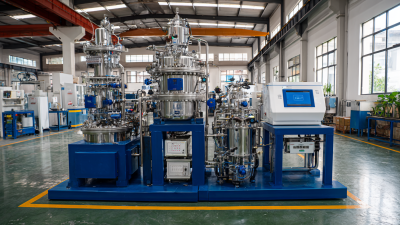
A bag filter system consists of several key components that work together to purify air or liquid. At its core, there are filter bags made from various materials, designed to capture particles. The choice of material affects filtration efficiency. These bags are easy to replace, but their performance can degrade over time. Regular inspection is crucial to maintain optimal function.
Another crucial element is the housing or framework. This structure supports the filter bags and houses the filtration mechanism. Proper sealing within the housing prevents bypass, which is a common issue. It can lead to unfiltered contaminants escaping into the environment. Such occurrences can compromise the entire filtration process, creating unexpected challenges.
Lastly, an airflow management system significantly enhances effectiveness. This involves the use of fans or blowers that maintain consistent pressure and flow. A balanced airflow ensures that all filter bags operate efficiently. However, if not monitored, airflow can become uneven, leading to inadequate filtration. Striking the right balance here is essential for long-term success.
The Working Principle of Bag Filters
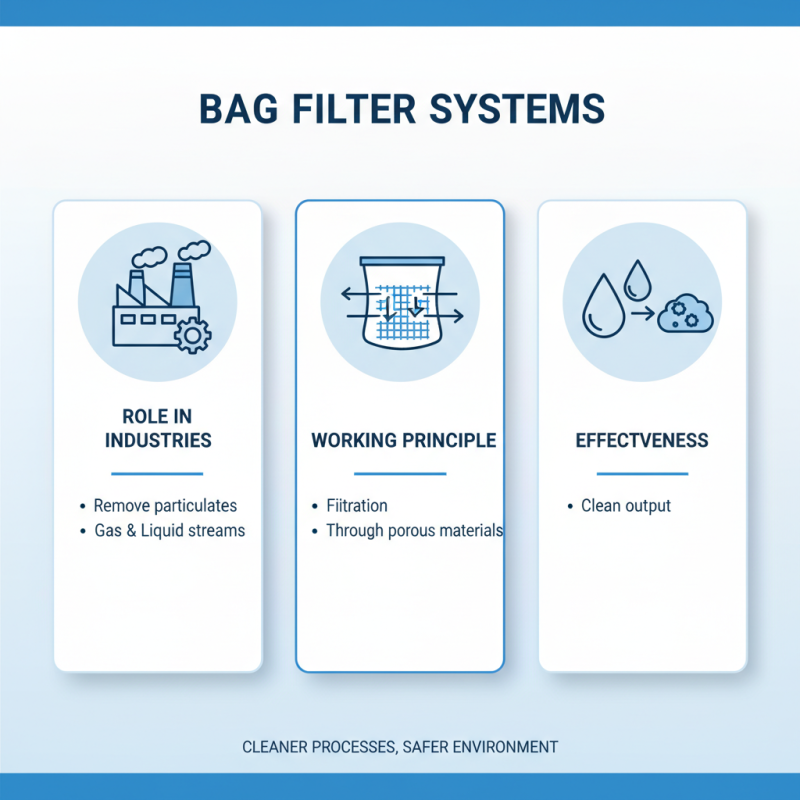
Bag filter systems play a vital role in various industries. They are designed to remove particulates from gas and liquid streams. The effectiveness of these systems is grounded in their working principle, which focuses on filtration through porous materials.
The working principle involves a bag made from filter media. As air or liquid passes through the bag, particles are trapped on the surface. This leads to a buildup of dust and other contaminants. According to industry reports, bag filters can capture particles as small as 1 micron, making them highly efficient for many applications. However, the efficiency may decline if the bags become overloaded. This can happen if maintenance schedules are not followed or if the system is mismanaged.
Monitoring the pressure drop across the bag filter is essential. A significant increase implies blockage. Neglecting this simple task can lead to system failures. Regular visual inspections and maintenance are critical to maintaining optimal performance. While bag filters are effective, they do require a consistent approach to care and observation to realize their full potential.
Applications of Bag Filter Systems in Various Industries
Bag filter systems are essential in various industries for air and liquid filtration. They capture dust, particulate matter, and other pollutants effectively. In industries such as pharmaceuticals, the filtration efficiency of bag filters can reach over over 99%. This high level of efficiency is crucial for maintaining product quality and regulatory compliance.
The manufacturing sector heavily relies on bag filters. In 2022, approximately 25% of the global bag filter market was attributed to this sector. It uses these systems to control emissions and enhance workplace safety. With stricter regulations coming into play, this number is expected to grow. Yet, many facilities struggle with maintenance. Clogged filters can lead to decreased efficiency and increased energy consumption.
Moreover, the food and beverage industry uses bag filters for compliance and flavor preservation. They prevent contaminants from entering the production process. According to market reports, around 15% of bag filters are utilized here. However, challenges remain. Some operators overlook regular checks. This mistake can result in unwanted downtime and costly repairs. Being proactive in maintenance is vital for optimal performance.
Maintenance and Troubleshooting for Bag Filter Systems
Bag filter systems require regular maintenance to ensure smooth operation. Dust and particles can clog filters over time. When this happens, airflow can decrease significantly. Users may notice a drop in efficiency. It's crucial to inspect filters regularly. A visual check can reveal blockages or damage. If filters appear dirty, it might be time for replacement.
Troubleshooting a bag filter system can be tricky. Users often overlook minor issues. Sometimes, it's just a matter of adjusting settings. Other times, the problem might be more complex. If filters are frequently clogged, consider the dust load. It might be higher than expected. Ensure the system is designed properly for the application. Ignoring these tasks can lead to serious issues. Regular monitoring can help catch problems early. Striving for efficiency is key. Even small improvements can make a big difference.