Top 10 Benefits of Side Stream Filtration for Heating Systems You Must Know
In the realm of modern heating systems, efficiency and longevity are paramount. One increasingly recognized method to enhance these attributes is the implementation of side stream filtration for heating systems. This innovative approach involves the continual filtration of a portion of the fluid circulating through the system, effectively removing impurities and enhancing overall performance. With the growing emphasis on sustainability and energy conservation, understanding the benefits of side stream filtration becomes essential for both residential and commercial applications.
Side stream filtration for heating systems not only contributes to improved energy efficiency but also plays a critical role in prolonging the lifespan of equipment. By minimizing the accumulation of sediment, sludge, and other contaminants, this filtration method ensures that heating systems operate smoothly and reliably. Moreover, it helps in reducing maintenance costs and downtime, providing a compelling case for considering this technology in any heating system setup. As we delve deeper into the top ten benefits of side stream filtration, it becomes clear that this approach is not just a maintenance strategy, but a significant investment in the longevity and efficiency of heating systems.
Key Concept of Side Stream Filtration in Heating Systems
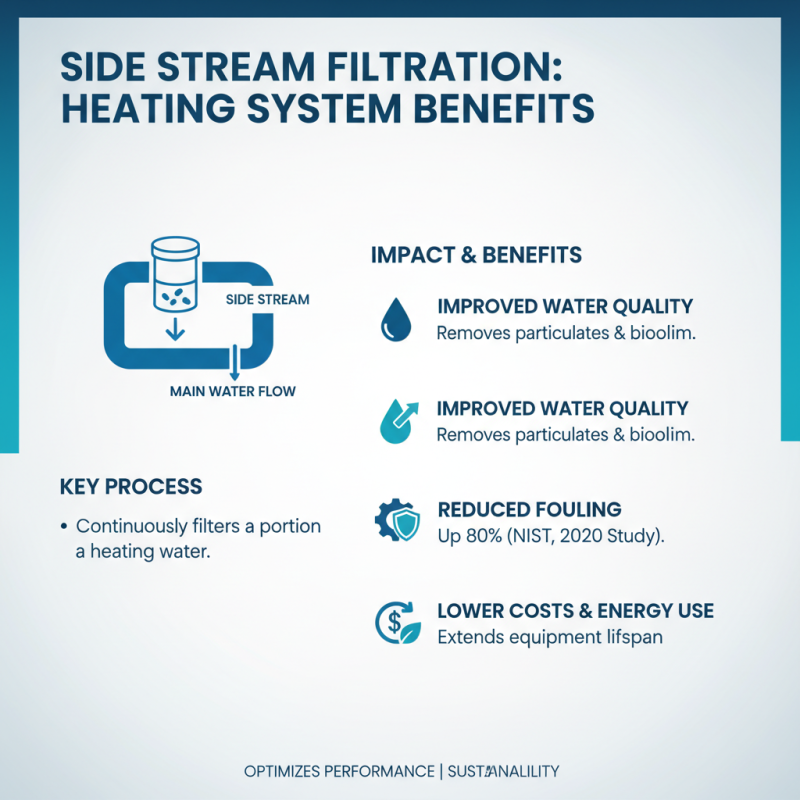
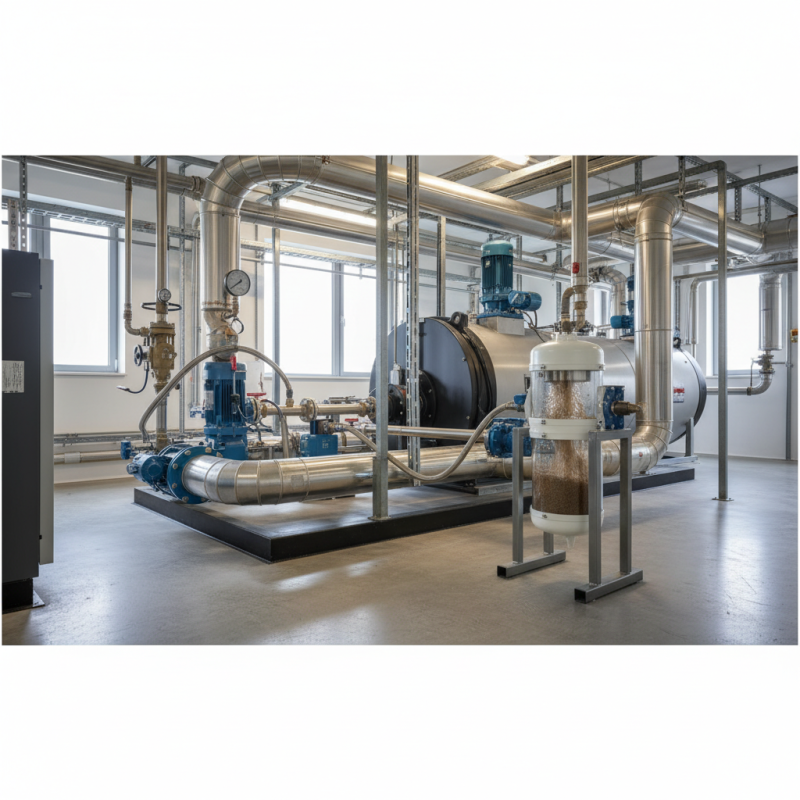
Side stream filtration is a crucial process in maintaining the efficiency and longevity of heating systems. By diverting a small portion of the total flow of water, side stream filtration allows for continuous removal of contaminants such as suspended solids, sludge, and corrosion products. This method ensures that the primary heating loop remains clean and operational, thereby improving heat transfer efficiency and reducing energy consumption. The filtration unit can capture particles that would otherwise settle within the system, leading to blockages or reduced performance.
In addition to enhancing system performance, side stream filtration plays a vital role in protecting equipment from damage. Regularly filtering the water reduces wear and tear on components such as pumps, valves, and heat exchangers, ultimately extending their lifespan. Moreover, it minimizes the risk of costly repairs and system downtime. The use of advanced filtration technologies allows for precise monitoring of water quality, ensuring that any emerging issues are detected early and addressed promptly. This proactive approach not only safeguards the heating system but also contributes to a more sustainable operation, aligning with modern energy efficiency goals.
Improved Water Quality Through Side Stream Filtration
Side stream filtration has emerged as a vital process for enhancing water quality in heating systems. By continuously filtering a portion of the cooling water, this method helps remove particulates, biofilm, and other contaminants that can accumulate over time. According to a 2020 study by the National Institute of Standards and Technology, systems that implemented side stream filtration reported a significant reduction in system fouling—up to 80%—leading to lower maintenance costs and improved heat transfer efficiency. This not only prolongs the lifespan of heating equipment but also optimizes energy consumption, providing both environmental and economic benefits.
For facilities aiming to improve their water quality, incorporating side stream filtration can drastically reduce the risks associated with corrosion and scale buildup. The Water Research Foundation published findings indicating that effective filtration significantly lowers the levels of suspended solids, leading to enhanced system performance. It’s crucial to monitor water quality parameters, as even minor fluctuations can lead to major operational issues.
Tips for maintaining water quality include regularly checking filtration systems and ensuring proper flow rates are maintained, as these can influence the effectiveness of filtration efforts. Additionally, consider scheduling periodic water treatment assessments to identify potential issues early, which can prevent costly downtime and repairs. Consistently investing time in these practices ensures that your heating system operates at its best, safeguarding both efficiency and longevity.
Enhanced Equipment Longevity with Side Stream Filtration
Side stream filtration is an essential component for enhancing the longevity of heating systems. By continually removing impurities from the fluid circulating within the system, side stream filtration significantly reduces the accumulation of debris and contaminants that can cause wear and tear on critical components. Over time, particulate matter and sediments can lead to corrosion, clogged pipes, and inefficient operation, ultimately shortening the lifespan of the equipment. By integrating a side stream filtration system, facilities can maintain cleaner hydraulic circuits, prolonging the operational life of boilers, pumps, and heat exchangers.
Furthermore, the benefits of side stream filtration extend beyond mere longevity; they also contribute to improved efficiency and reliability. A cleaner system operates more effectively, reducing energy consumption and enhancing thermal performance. This efficiency not only ensures optimal heating during colder months but also minimizes the risk of unexpected failures and costly repairs. As a proactive measure, side stream filtration allows operators to focus on maintenance and performance rather than dealing with the fallout of equipment issues. Overall, investing in side stream filtration is a wise choice for any facility looking to safeguard its heating systems and maximize their operational lifespan.
Top 10 Benefits of Side Stream Filtration for Heating Systems
Reduction of Energy Costs via Effective Filtration Systems
Effective filtration systems play a crucial role in maintaining the efficiency of heating systems, and one of the significant benefits they offer is the reduction of energy costs. By implementing side stream filtration, any impurities or debris present in the system are continuously filtered out, leading to various energy-saving advantages. When contaminants accumulate, they impose additional stress on the heating equipment, requiring more energy to achieve the desired temperature. With clean water circulating through the system, heating elements can operate optimally, resulting in lower energy consumption and reduced utility bills.
Additionally, maintaining cleaner water through side stream filtration extends the lifespan of heating system components. When systems are free of sediment and scaling, they function more efficiently, which reduces wear and tear on pumps, boilers, and other critical elements. This not only minimizes the likelihood of costly repairs and replacements but also ensures that the system operates at peak performance, further contributing to energy savings. Ultimately, by investing in effective filtration, building operators can enjoy both enhanced system reliability and significant reductions in energy costs, leading to a more efficient and sustainable heating operation.
Top 10 Benefits of Side Stream Filtration for Heating Systems You Must Know - Reduction of Energy Costs via Effective Filtration Systems
| Benefit |
Description |
Estimated Energy Savings (%) |
| Enhanced System Efficiency |
Improves overall heat transfer and system performance by reducing sediment buildup. |
15 |
| Lower Maintenance Costs |
Reduces the frequency of expensive system repairs and cleaning. |
20 |
| Extended Equipment Life |
Minimizes wear and tear on heating components, leading to longer equipment lifespan. |
10 |
| Increased Comfort |
Maintains consistent temperatures throughout the space for enhanced comfort. |
8 |
| Reduced Energy Consumption |
Efficient filtration leads to lower energy demands on the heating system. |
12 |
| Environmental Benefits |
Lower energy usage contributes to reduced carbon footprint. |
5 |
| Improved Water Quality |
Removes contaminants and particulates from the heating system water. |
6 |
| System Reliability |
Fewer breakdowns and disruptions due to cleaner operating conditions. |
7 |
| Compliance with Standards |
Helps meet local and national environmental regulations. |
4 |
| Better Return on Investment |
Increased efficiency and reduced costs lead to a quicker ROI. |
18 |
Minimized Maintenance Efforts for Heating Systems With Filtration
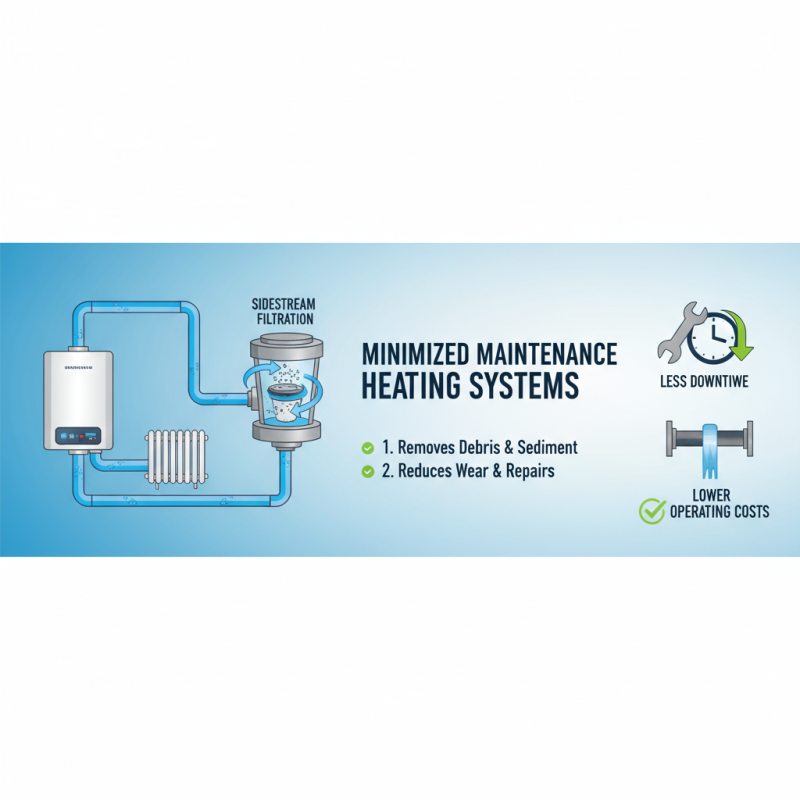
Minimized maintenance efforts are a significant advantage of implementing side stream filtration in heating systems. Traditional heating systems often accumulate debris, sediment, and other contaminants that can lead to performance issues and increased wear on components. By utilizing a side stream filtration system, these harmful particles are effectively removed before they can circulate through the main heating loop. This proactive approach means that the system operates more efficiently and requires less frequent repairs or parts replacement, thereby reducing overall maintenance efforts.
Moreover, side stream filtration enhances the longevity of heating systems. By minimizing the buildup of corrosive materials and impurities, the internal components are less likely to suffer from degradation. This results in fewer interruptions for maintenance tasks and allows operators to focus on more critical aspects of system management. The ease of maintenance not only saves time and labor costs but can also lead to extended service life for the heating equipment, translating into a more reliable and efficient system overall.