7 Best Paper Pulp Production Methods for Buyers?
Choosing among the 7 best paper pulp production methods starts with the paper you intend to make. A packaging mill may prize stiffness and tear resistance. A tissue producer usually needs softness, absorbency, and reliable formation. No single process is best for every buyer.
Paper scientist Martin A. Hubbe’s research on pulp and paper materials offers a useful principle. A fair paraphrase is: “Judge pulp by its fiber properties and intended use, not by its process name alone.” That distinction matters. Kraft, sulfite, mechanical, thermomechanical, chemi-thermomechanical, recycled, and dissolving pulp each bring different trade-offs. A sample’s brightness can look impressive, yet its strength or drainage may disappoint on a production line.
Buyers should compare more than price per tonne. Ask about fiber source, yield, refining needs, moisture, brightness, strength data, and consistency between shipments. Request mill specifications and trial samples when possible. A wet pulp sheet, a lab strength test, and a full machine run can tell different stories. This is where purchasing decisions get less tidy. Supplier claims may be accurate, but conditions vary across mills and grades. The following guide examines seven production methods, their practical advantages, and their limits. It also highlights questions buyers can take to suppliers before committing to volume. One caution remains: the cheapest pulp is not always the lowest-cost choice.
Understanding Paper Pulp and Its Role in Papermaking
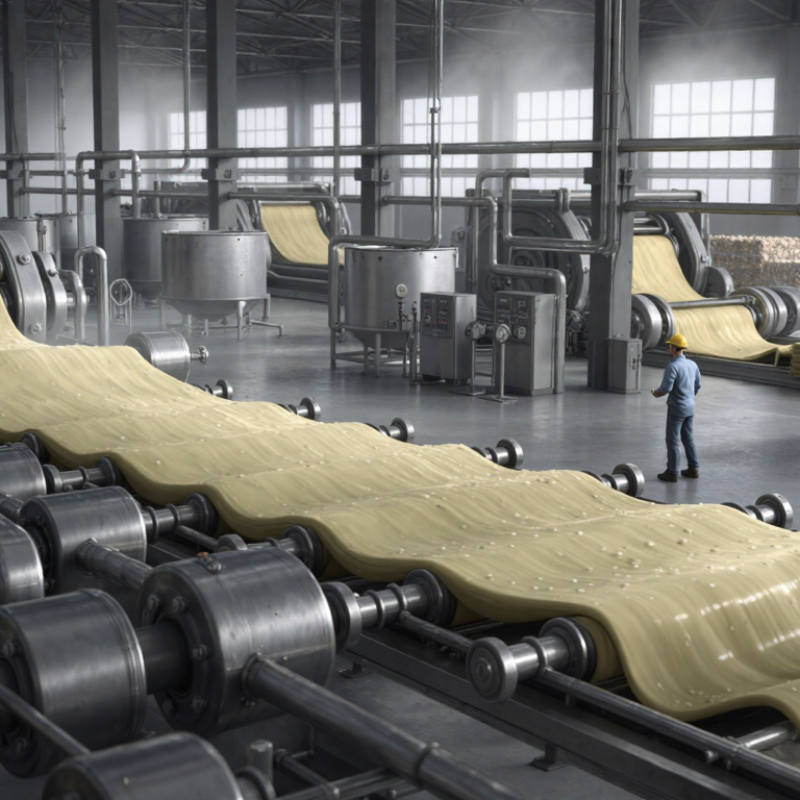
Paper pulp is a wet mixture of fibers that becomes the working material for paper. The fibers may come from wood or recovered paper, and their condition shapes the finished sheet. In a pulp sample, moisture, fiber length, and visible specks all matter. Small details count.
During papermaking, pulp is spread across a moving screen. Water drains away, while fibers settle into a thin, tangled web. The web is pressed and dried to form paper. Longer fibers often support stronger sheets, while fine fibers can improve smoothness. Refining helps fibers bond, but excessive treatment may shorten them and weaken the result. That balance is easy to overlook.
For buyers, a pulp description should connect fiber properties to the intended paper grade. Packaging may need tear resistance; printing paper may require an even surface and reliable formation. Ask about consistency between batches, moisture levels, and how the pulp performs on the intended equipment. A specification sheet helps, but it cannot show every production issue. Even a tidy sample can behave differently at scale. One test result is not the whole answer. Comparing practical trial data with stated specifications gives a more dependable basis for selection.
Seven Common Methods for Producing Paper Pulp
Paper pulp production generally follows seven routes: stone groundwood, refiner mechanical pulping, thermomechanical pulping, chemi-thermomechanical pulping, kraft, sulfite, and recovered-paper deinking. The first four use mechanical force to separate fibers, sometimes with heat or chemicals. They retain more wood material, which can suit newsprint and other high-volume grades. Kraft and sulfite cooking use chemicals to separate fibers, often producing stronger pulp for packaging or printing. Deinking removes ink and contaminants from recovered paper; results depend heavily on the incoming paper mix.
The trade-offs are practical. Mechanical pulp can deliver high fiber yield, but its fibers may be weaker and less durable. Chemical pulping uses more wood per tonne of pulp, yet generally produces stronger fibers. Deinking can reduce demand for virgin fiber, but glue, coatings, and mixed inks complicate cleaning. FAO’s 2023 Forest Products Facts and Figures reports about 188 million tonnes of global wood-pulp production in 2022. That figure excludes recovered paper pulp, so buyers should compare like with like. A mill’s actual furnish matters.
Ask suppliers about yield, brightness, strength, water use, and energy consumption—not just the process name. Check whether figures describe pulp at the mill gate or finished product. That distinction is easy to miss. And laboratory results may not predict performance on a buyer’s paper machine; I would treat them as a starting point, not a guarantee.
How Pulping Methods Affect Fiber Quality and Production Costs
Pulping method shapes both the sheet and the purchase price. Mechanical pulping grinds wood into high-yield pulp, preserving more material but often leaving shorter, less flexible fibers. It can suit newsprint and lightweight grades, where opacity matters more than long-term strength. The trade-off is real. High energy use and faster yellowing may offset the attractive yield.
Chemical methods, including kraft and sulfite pulping, separate fibers by dissolving much of the lignin. The resulting pulp is generally stronger and easier to bleach, but lower yield and chemical recovery systems add capital and operating costs. Chemi-thermomechanical pulping softens chips before refining, balancing strength and yield; however, steam and power requirements still affect the mill’s cost per tonne. Recycled-fiber pulping can reduce demand for fresh wood, though ink removal, screening, and variable incoming paper influence quality and waste rates.
Buyers should compare more than price per tonne. Ask for fiber-length data, drainage performance, brightness, and strength results from a representative sample. A pulp that runs smoothly on one paper machine may cause slower drainage on another. Even careful estimates miss something. Local energy costs, water quality, and furnish consistency can change the best choice, so trial runs are worth the time.
7 Pulping Methods: Fiber Quality and Production Cost
Indicative relative ratings from 1 (low) to 5 (high). Fiber quality represents typical strength and fiber integrity; production cost is a broad processing-cost comparison. Actual results vary with furnish, equipment, energy prices, and mill configuration.
How to read this: Kraft pulping generally retains strong fibers, while mechanical methods tend to preserve more fiber mass but produce weaker fibers and use more energy. Recycled-fiber quality depends heavily on recovered-paper grade and the number of recycling cycles.
Key Factors Buyers Should Evaluate When Comparing Methods
Buyers should compare pulp methods by usable yield, fiber strength, brightness, energy demand, water use, and effluent load—not price alone. Mechanical pulping often delivers higher fiber yield, while chemical pulping generally produces stronger fibers by removing more lignin. Results vary with wood species, furnish quality, and product grade. Small trials matter. FAO’s Forest Products 2022 data record about 190 million tonnes of global wood-pulp production, underscoring the importance of dependable feedstock.
The European Paper Recycling Council reported a 79.3% paper recycling rate in Europe in 2022. That makes recycled-fiber availability a useful comparison point, though recovered furnish can vary in contamination, drainage, and strength. Ask mills to report energy use per air-dry tonne, water consumption, reject rate, and pulp properties under comparable test conditions. Check seasonal feedstock changes, too. One lab result is not enough.
Tips: Request process data and guarantees for the pulp properties you actually need. Then run a trial with your own furnish and inspect the resulting sheets. A spreadsheet can expose gaps that a polished sample may hide.
Matching Pulp Production Methods to Paper Product Requirements
Matching pulp production methods to paper product requirements begins with the job the sheet must do. Kraft pulp offers strong fibers for packaging, sacks, and demanding printing grades. Sulfite pulp can suit specialty papers where brightness and formation matter. Soda pulping is often considered for non-wood fibers, though raw material consistency needs careful checking.
For bulk newsprint and some lightweight grades, groundwood pulp keeps costs and fiber use relatively low, but its fibers can weaken and yellow with time. Refiner mechanical pulp provides useful bulk and opacity for magazines and similar papers. Chemithermomechanical pulp adds chemical and heat treatment, balancing yield with improved strength. Recycled deinked pulp can support tissue, carton, and printing grades, depending on incoming paper quality and contaminant control.
Details matter. Compare tensile strength, brightness, drainage, fiber length, and cleanliness against the intended machine and finished product. A soft tissue furnish needs a different balance from a stiff folding carton. Ask for representative samples and trial them at realistic machine speeds; a lab result may not predict every run. There is no perfect method, and this comparison can miss local fiber variation. That limitation is worth discussing before purchase.
7 Best Paper Pulp Production Methods for Buyers: Matching Pulp Production Methods to Paper Product Requirements
| Pulp Production Method | How It Works | Typical Pulp Yield | Main Characteristics | Common Product Applications | Buyer Considerations |
|---|---|---|---|---|---|
| Kraft (Sulphate) Pulping | Wood chips are cooked with an alkaline sodium hydroxide and sodium sulphide liquor to separate fibers from lignin. | About 45–55% of dry wood, depending on wood species and cooking conditions. | Produces strong fibers and can process many softwood and hardwood species. The process includes chemical recovery, but bleaching may be needed for high-brightness grades. | Packaging papers, kraft linerboard, sack paper, and bleached pulp for printing and tissue grades. | Specify strength, brightness, fiber species, and whether the pulp is bleached or unbleached. Check furnish consistency and relevant food-contact requirements for packaging. |
| Sulphite Pulping | Wood chips are cooked in an acidic or neutral sulphite-based liquor that dissolves much of the lignin. | Often about 40–55%, varying with process conditions and target pulp properties. | Can produce relatively bright, clean fibers with good bonding and useful dissolving-pulp grades. Fiber strength and process economics differ from kraft pulp. | Printing and writing papers, specialty papers, and dissolving pulp used as a cellulose feedstock. | Confirm the intended grade, brightness, viscosity or purity needs, and suitability for the buyer’s paper machine or downstream process. |
| Soda Pulping | Non-wood fibers are cooked mainly with sodium hydroxide; the process does not use the sulphur compounds used in kraft pulping. | Commonly around 35–50%, depending on the fiber source and operating conditions. | Used with materials such as bagasse and some cereal straws. Fiber quality, drainage, and strength can vary substantially by raw material. | Writing and printing paper, cultural paper, and some packaging grades made with agricultural-residue fibers. | Ask for the fiber source, seasonal supply information, ash and silica levels, and test data for strength, cleanliness, and runnability. |
| Groundwood Mechanical Pulp | Logs or wood pieces are pressed against a rotating grinding surface, separating fibers with relatively little lignin removal. | Typically about 90–95% of the dry wood input. | High yield and good light scattering and opacity, but the fibers retain lignin and are generally less durable than chemical pulp. | Newsprint, directory paper, and other grades where opacity and bulk are important and long-term brightness is less critical. | Check brightness stability, strength requirements, fiber mix, and the expected paper life; lignin-containing grades can yellow with age and light exposure. |
| Thermomechanical Pulp (TMP) | Wood chips are softened with steam and refined mechanically between rotating plates. | Usually about 90–95%, depending on refining and product targets. | High yield with more fiber separation and generally improved strength over conventional groundwood; refining requires substantial electrical energy. | Newsprint, magazine paper, and mechanical printing grades that need bulk, opacity, and useful sheet strength. | Compare brightness, shive content, freeness, energy-related supply factors, and strength results at the intended furnish ratio. |
| Chemi-Thermomechanical Pulp (CTMP) | Chips receive a mild chemical treatment and steam softening before mechanical refining. | Often about 80–95%, depending on chemical treatment, wood species, and grade. | Combines high yield with improved fiber flexibility and strength compared with untreated mechanical pulps; properties vary with treatment intensity. | Cartonboard, tissue, specialty papers, and other grades where bulk or stiffness is needed alongside improved bonding. | Request grade-specific data for brightness, stiffness, tensile strength, freeness, and fiber composition; confirm compatibility with the intended furnish. |
| Recycled and Deinked Pulp | Recovered paper is repulped in water; screening and cleaning remove contaminants, and flotation or washing may remove printing inks. | Variable; often about 70–90% of incoming recovered paper, depending on furnish quality, contaminants, and deinking requirements. | Reduces reliance on virgin fiber, but quality depends on the recovered-paper grade and processing. Repeated recycling can shorten fibers, and some uses require virgin-fiber blending. | Containerboard, newsprint, tissue, and recycled printing papers, depending on pulp cleanliness and fiber quality. | Specify recovered-paper grade, brightness, dirt and stickies limits, moisture, and applicable recycled-content or product standards. |
Note: Yield figures are indicative ranges, not purchase guarantees. Actual results vary with raw material, process settings, pulp grade, and measurement basis; request a current technical data sheet and representative test results before purchasing.
Related Posts
-
What Are the Best Pulp and Paper Manufacturers in China?
-
Ultimate Guide to Choosing the Right Bagasse Plate Making Machine for Your Business
-
China Top UV Ballast Water Treatment System Supplier?
-
Innovative Examples of Ultra Pure Water Purification Systems Transforming Industrial Standards
-
How to Navigate the Paper Pulp Industry for Sustainable Practices?
-
2025 How to Optimize Pulp and Paper Production for Sustainability and Profitability