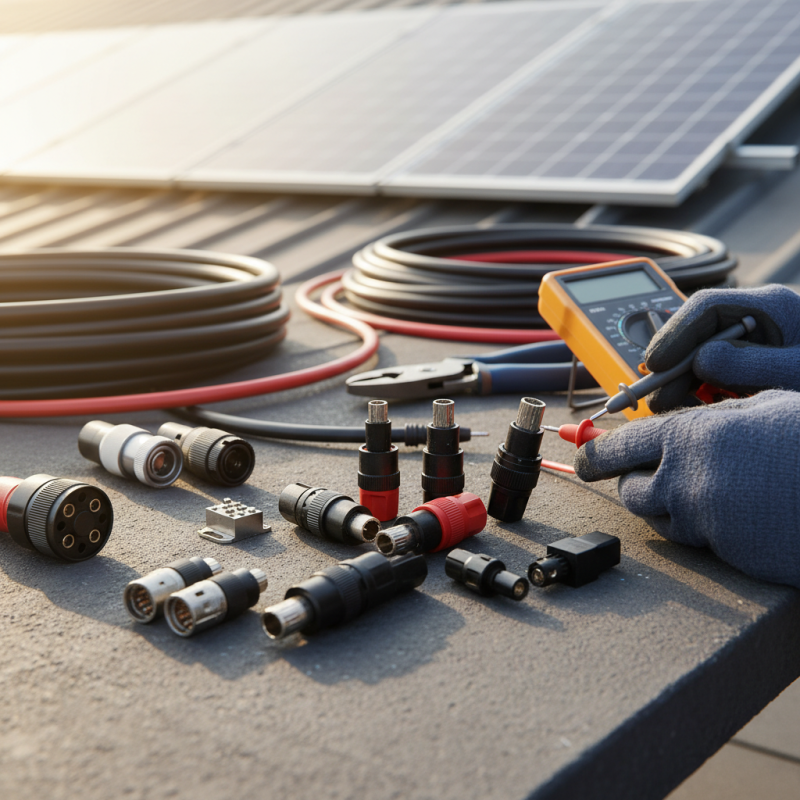
How to Choose Solar Panel Connectors for Best Performance?
Choosing the right Solar Panel Connectors is crucial for optimal performance. Solar panel connectors directly impact energy efficiency and system reliability. Many overlook this detail, but selecting the appropriate type can enhance overall energy output.
There are various types of solar panel connectors available. Each type has its advantages and limitations. For instance, MC4 connectors are popular due to their ease of use and weather resistance. However, not every connector suits every installation. Users must consider factors such as voltage, current rating, and compatibility with panels.
While it’s easy to get lost in technical specifications, real-world applications show that many installations fail due to improper connector choices. This oversight can lead to reduced efficiency or even system failure. Therefore, understanding solar panel connectors is essential for anyone looking to maximize their solar investment.
Understanding the Role of Connectors in Solar Panel Systems
Connectors play a crucial role in solar panel systems. They ensure the efficient transfer of electricity between modules and the inverter. Quality connectors can significantly impact the overall performance of solar energy systems. According to a report by the National Renewable Energy Laboratory, improper connector usage can lead to power losses of up to 10%.
When selecting connectors, look for options that can withstand extreme weather conditions. The connectors should also be UV-resistant to avoid degradation. The International Electrotechnical Commission (IEC) standards specify testing for durability and safety under various environmental conditions. These standards help in ensuring that connectors perform reliably over time, even in harsh climates.
Many users overlook the importance of proper installation and maintenance. Loose or corroded connections can cause hotspots or even system failures. Regularly inspecting connectors for signs of wear and ensuring tight connections can mitigate these risks. While the focus is often on solar panels and inverters, connectors deserve careful consideration to enhance overall system efficiency.
Types of Solar Panel Connectors: MC4 vs Other Options
Selecting the right solar panel connectors is crucial for optimal system performance. Among various types, MC4 connectors are the most popular. They account for over 90% of the market due to their reliability and ease of use. The design accommodates high voltage and current, making MC4 suitable for most solar installations.
Other connector options exist, including TYCO and Amphenol, which offer specific benefits. TYCO connectors perform well in extreme weather conditions, while Amphenol connectors feature a user-friendly blade design. However, they make up only a small fraction of the market. A report from Solar Power World noted that incorrect connector selection can reduce energy efficiency by up to 15%. This is significant for maintaining performance over a system's lifespan.
Installation experience is key when choosing connectors. Proper sealing and locking are essential to prevent moisture ingress. Improper connections can lead to arcing, a fire hazard. Data suggests that around 2% of solar system failures stem from connection issues. Therefore, spending time on selection and installation matters greatly for long-term efficacy. Explore connectors thoroughly and weigh options before finalizing your choice.
Factors to Consider When Choosing Solar Panel Connectors
When selecting solar panel connectors, several factors play a crucial role in ensuring optimal performance. One major consideration is the connector's current rating. According to the National Renewable Energy Laboratory (NREL), connectors should ideally match or exceed the solar panel's output to prevent overheating. For example, a connector rated at 30A is necessary for panels generating up to 300W, which correspondingly require about 30A at full capacity.
The environmental resilience of the connectors is also critical. Connectors must withstand various weather conditions, including extreme temperatures and moisture. Research from the Solar Energy Industries Association (SEIA) indicates that UV-resistant materials can prolong a connector's lifespan. It’s important to choose those that meet IP67 or higher ratings, indicating strong protection against dust and water ingress.
In addition, ease of installation impacts performance. Some connectors use push-fit mechanisms, simplifying the connection process. This can shorten installation times and reduce human error, which is significant in larger installations. Observing connector performance in field tests sometimes reveals unexpected failures, stressing the importance of thorough evaluations before final selections. Thus, understanding these factors helps in making informed choices that lead to better solar energy outcomes.
Performance Impact of Connector Quality on Solar Energy Systems
The quality of solar panel connectors plays a crucial role in the performance of solar energy systems. High-quality connectors help ensure efficient energy transfer from solar panels to inverters. Poor-quality connectors can cause significant energy losses. The materials used in connectors, such as copper versus aluminum, can affect conductivity. Connectors must withstand various weather conditions. Over time, exposure can lead to degradation.
When selecting connectors, it’s essential to consider their rated current and voltage. Inappropriate ratings can result in overheating or failures. Faulty connections may lead to intermittent power, reducing overall system efficiency. Regular maintenance is necessary to check for corrosion or damage. It’s easy to overlook these aspects, yet they're vital for optimal performance.
Choosing the right connectors is not just a matter of price. The long-term effects of cheap options can result in higher costs due to inefficiencies. A well-designed solar system should include reliable connectors. Investing time in researching and selecting the best options is critical. This attention to detail can improve energy output significantly.
Impact of Connector Quality on Solar Panel Performance
Installation Tips for Optimizing Solar Panel Connector Performance
When installing solar panel connectors, attention to detail matters for peak performance. Proper connection ensures optimal energy transfer. An overlooked step can lead to inefficiencies.
Choose connectors based on environmental conditions. Exposure to rain and UV rays can deteriorate low-quality connectors. Rust can also hinder performance over time. Use connectors designed for outdoor use. Ensure they have good sealing to resist moisture.
Regular maintenance is key. Inspect your connectors at least twice a year. Look for any signs of wear or corrosion. Clean connections gently to remove dirt or debris. This simple action can prevent potential power loss. Using high-quality connectors might seem expensive initially, but the long-term benefits can outweigh the costs. The right choice enhances system durability.