How to Choose the Best Liquid Filtration Systems for Your Needs?
Selecting the right liquid filtration systems is crucial for various industries. According to a recent report by Market Research Future, the liquid filtration market is projected to reach $5.74 billion by 2026, highlighting its growing importance. Experts like Dr. Lisa Hernandez emphasize the complexity of this choice: "Choosing the right system can significantly impact productivity and compliance."
Understanding specific needs is essential. Different industries require unique filtration solutions. For example, water treatment facilities need robust systems to handle large volumes. Meanwhile, pharmaceutical companies focus on precision and sterility. Selecting the wrong system could lead to costly production stoppages.
Confidence in your choice comes from industry knowledge and experience. With many options available, making an informed decision is challenging. Look for systems that meet your requirements while also ensuring reliability and efficiency. Always weigh the pros and cons of each option. Even the best designs can have flaws. Reflecting on these can lead to a more tailored decision.
Understanding the Basics of Liquid Filtration Systems
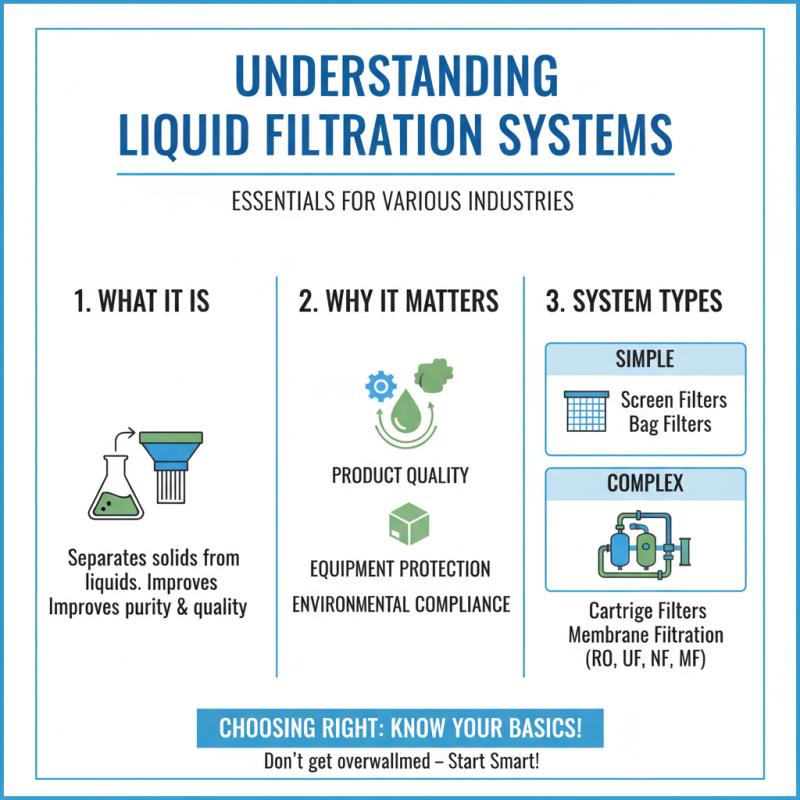
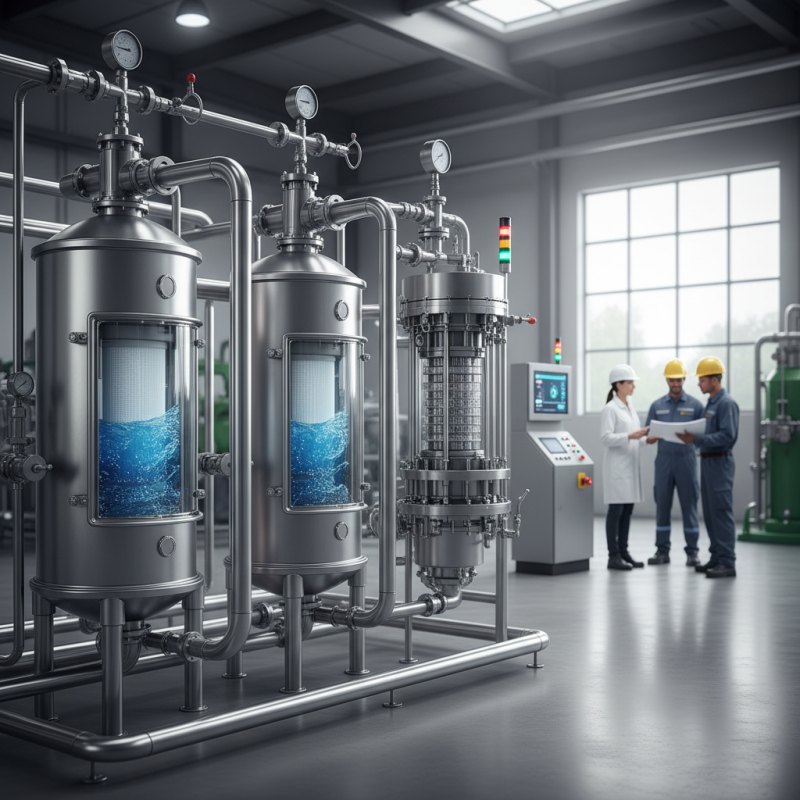
Liquid filtration systems are essential in various industries. They range from simple setups to complex designs. Choosing the right system can be daunting without a solid understanding of the basics.
At its core, a liquid filtration system removes impurities from fluids. Different systems use various methods, such as mechanical or chemical filtration. Mechanical filters are straightforward, using physical barriers to trap particles. Chemical filters, on the other hand, engage with the contaminants, altering them chemically. It's crucial to know what type of impurities you’re dealing with, as not all systems tackle every contaminant.
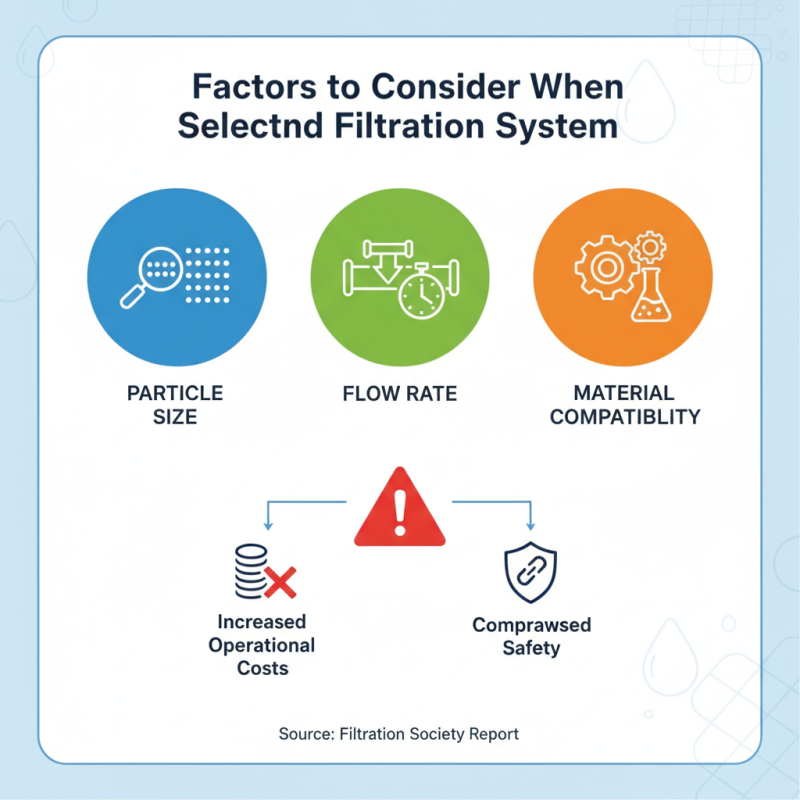
Moreover, filtration efficiency varies based on the system's design and material. For instance, filter size and pore structure play vital roles in determining how effectively particles are captured. While some filters are disposable, others require maintenance. This can impact operational costs and the system's overall reliability. Understanding these aspects is crucial for making an informed decision. Always reflect on your specific needs and the environment where the system will operate.
Identifying Your Filtration Needs and Requirements
When choosing a liquid filtration system, identifying your specific needs is crucial. Start by considering the type of liquid you’ll filter. Is it water, oil, or chemicals? Each requires different filtration methods. Think about the size and volume of liquid you handle. Small operations may need simple solutions, while larger ones may need advanced systems.
Next, assess the level of contamination present in the liquid. Understand the particle size you need to filter. Fine particles may require a system with high precision. Don't overlook maintenance requirements. A system that’s difficult to maintain can lead to increased costs and downtime. Remember, the right choice should balance efficiency and manageability.
Finally, reflect on your budget constraints. A more expensive system might offer better performance, but it’s essential to weigh that against long-term operational costs. Emergency situations can occur if filtration needs are not met. Be prepared to adapt and reconsider your choices based on performance reviews and feedback. Filtration is an ongoing process, and being open to adjustments is vital for long-term success.
Evaluating Different Types of Liquid Filtration Technologies
When evaluating different types of liquid filtration technologies, it’s essential to understand their specific functions. Microfiltration works on the principle of size exclusion. This technique can remove particles larger than 0.1 microns. It’s suitable for applications like wastewater treatment. However, it doesn’t effectively remove dissolved substances. That’s a limitation to consider.
Ultrafiltration, on the other hand, handles smaller particles, including some bacteria and viruses. This method operates at a smaller pore size, between 0.01 to 0.1 microns. It is efficient for producing safe drinking water. But, it may require pre-treatment for heavily contaminated sources. Understanding your water's quality is crucial here.
Nanofiltration and reverse osmosis are advanced technologies. They provide even finer filtration, removing dissolved ions and complex molecules. Yet, these systems often come with higher maintenance needs and energy costs. Identifying the right technology involves evaluating your specific needs and available resources. It’s a balance of effectiveness and practicality that often requires careful reflection and possibly adjustments along the way.
Evaluating Different Types of Liquid Filtration Technologies
Maintenance and Longevity of Liquid Filtration Systems
When selecting a liquid filtration system, maintenance plays a vital role in ensuring longevity. Regular inspections and prompt replacement of filters can prevent costly downtime. Overlooking these tasks may result in inefficient filtration and equipment damage. It’s essential to develop a routine that suits your operational needs.
Tips: Schedule monthly checks to monitor filter conditions. Keeping a log can be helpful. Don’t wait until filters are saturated; replace them early.
Understanding the specific requirements of your application is crucial. Some liquids may cause quicker wear on filtration components. Regular cleaning and maintaining optimal operating conditions will significantly extend the system's lifespan. Neglecting to address minor issues can lead to major problems.
Tips: Always review the manufacturer's guidelines for maintenance. Train staff on proper cleaning techniques. Awareness of unusual noises or changes in flow is essential for timely intervention.
How to Choose the Best Liquid Filtration Systems for Your Needs? - Maintenance and Longevity of Liquid Filtration Systems
| Filtration Technology |
Application |
Maintenance Frequency |
Estimated Lifespan |
Cost Range ($) |
| Membrane Filtration |
Water Purification |
Every 6 months |
5-10 years |
500 - 2000 |
| Activated Carbon |
Air Filtration |
Every 3 months |
2-5 years |
100 - 500 |
| Bag Filtration |
Industrial Applications |
Every month |
3-7 years |
300 - 1200 |
| Cartridge Filtration |
Food and Beverage |
Every 6 months |
1-3 years |
200 - 800 |
| Depth Filtration |
Chemical Processing |
Every month |
5-10 years |
400 - 1500 |