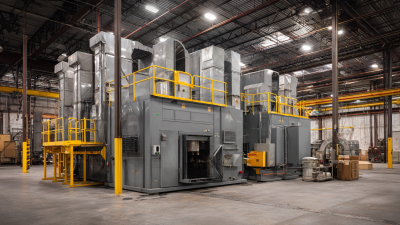
What is a CNC Coolant Filter System and How Does It Work?
In the machining industry, the performance of a CNC coolant filter system is vital. Expertise in this field highlights its significance. Mike Johnson, a renowned CNC specialist, states, "A clean coolant is essential for precision machining."
CNC coolant filter systems play a crucial role in maintaining the quality of coolant. They remove contaminants like metal shavings and dirt from the coolant. Without proper filtration, these particles can lead to damage and increased wear on machines.
Many operators overlook the importance of regular filter maintenance. This can lead to reduced efficiency and costly repairs. Investing in a reliable CNC coolant filter system is not just a choice; it's a requirement for successful operations. The industry's future depends on the commitment to clean coolant practices.
What is a CNC Coolant Filter System?
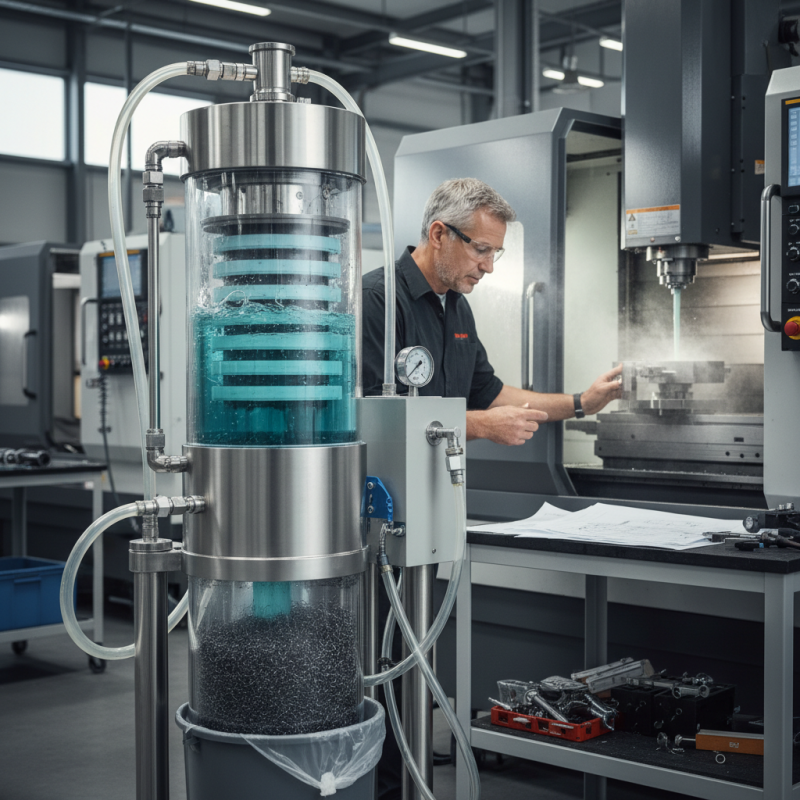
A CNC coolant filter system is essential for machinery. It maintains the cleanliness of the coolant used in CNC machining processes. Without proper filtration, particles and contaminants can degrade the coolant's effectiveness. This leads to poor machining quality and increased wear on tools.
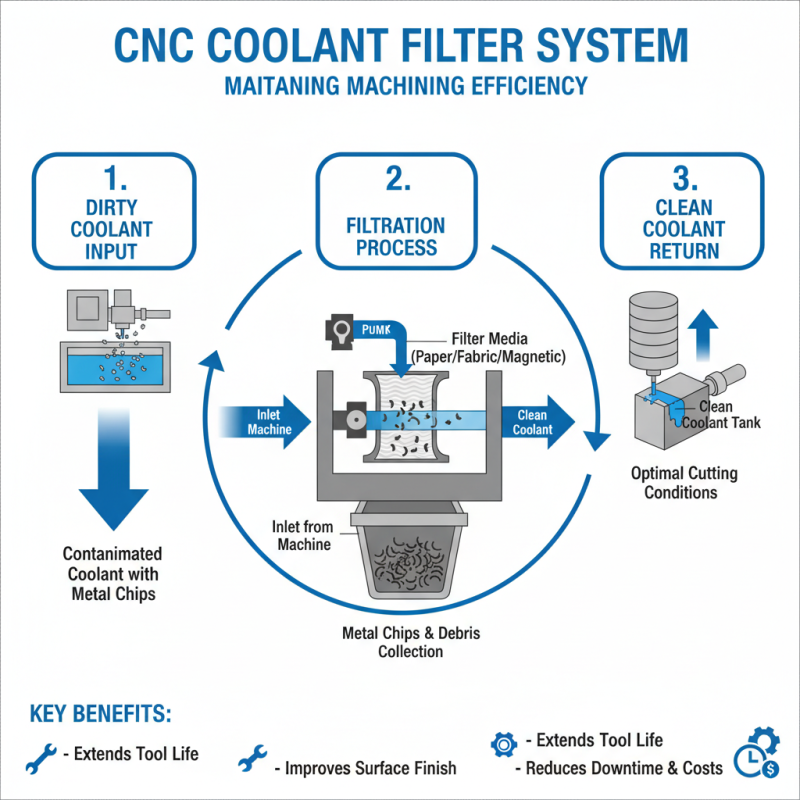
The system typically includes a pump, filter, and a reservoir. Coolant circulates through the filter to remove debris. You might see a mesh or paper filter doing the hard work. It's interesting to note that some systems need regular maintenance. If not cleaned often, they may fail to function correctly.
Sometimes, the filter may clog faster than expected. This can happen due to heavy machining or insufficient filter size. Users might overlook this, leading to machine downtime. Therefore, staying on top of filter maintenance is crucial for smooth operations and prolonging the life of both coolant and machine tools.
The Importance of CNC Coolant in Machining Processes
CNC coolant plays a crucial role in machining processes. It lubricates tools and cools workpieces. This fluid minimizes friction and reduces heat generated during cutting. High temperatures can lead to tool wear and damage. Proper cooling extends tool life and improves machining quality.
Using coolant also aids in removing chips and debris from the cutting area. This helps prevent obstructions that could cause machining errors. However, not all coolant systems are designed equally. A poorly designed system may lead to coolant contamination, which can affect performance. Filters are essential here. They keep the coolant clean and effective.
Maintaining proper coolant levels and cleanliness is vital. Contaminated coolant may harbor bacteria, leading to unpleasant odors and health risks. Regular filter checks are necessary to ensure the system functions optimally. A neglected coolant filter can become a source of inefficiency. Machinists must regularly evaluate their systems. Effective coolant management contributes to improved machining performance and overall product quality.
How CNC Coolant Filter Systems Function: An Overview
CNC coolant filter systems play a crucial role in maintaining the efficiency of machining operations. They remove metal chips, debris, and contaminants from the coolant used in CNC machines. This process ensures cleaner coolant, which helps maintain optimal cutting conditions. A typical CNC coolant filter system consists of a pump, filter media, and a collection tank.
The coolant is circulated through the system. As it passes through the filter media, particles are captured. A clean coolant improves the quality of machined parts and extends tool life. Filters must be monitored regularly to ensure proper functioning. Clogged filters can lead to poor machining results and potential equipment damage.
Tips: Always check the coolant level before starting a job. Regularly inspect filters for signs of wear. A small investment in maintenance can save costly repairs later. Remember, a clean coolant leads to better outcomes.
Types of CNC Coolant Filter Systems and Their Applications
CNC coolant filter systems play a vital role in machining processes. There are several types, each designed for specific applications. One common type is the cartridge filter. It captures particles effectively, making it ideal for small workshops. These filters are simple to replace but need regular maintenance.
Another type is the magnetic filter. It uses magnets to attract metal shavings and particles. This method is highly effective for metalworking industries. However, it may require specialized cleaning tools, which some may overlook.
Belt filters are also popular, especially in larger setups. They remove particles from coolant efficiently but can consume more space.
Choosing the right filter depends on various factors. Consider the type of machining being done and the volume of coolant used. Each system has its pros and cons. For example, cartridge filters are easier to manage but may not handle larger particles well. Reflecting on these details can significantly impact efficiency and cost-effectiveness.
Maintenance and Troubleshooting of CNC Coolant Filter Systems
CNC coolant filter systems play a critical role in machine tool performance. They help maintain clean and effective coolant, which is vital for machining operations. Over time, filters can become clogged with chips, dirt, and other contaminants. This buildup can lead to inefficient cooling and increased wear on equipment.
To ensure optimal performance, regular maintenance is essential. Operators should inspect filters weekly. A visual check can reveal visible debris. Regular replacement of filters is necessary as well. In cases of persistent clogging, it may indicate that the filter system is not adequately sized for the machine's needs.
Troubleshooting issues also requires attention. If the coolant pressure drops suddenly, the system might be blocked. Check for filters that need cleaning or replacement. An unusual odor or discoloration of coolant may indicate contamination. This can affect both machine and product quality. Remember, neglecting these signs can lead to bigger problems down the line. Regular upkeep helps extend machine life and ensures precision in operations.
What is a CNC Coolant Filter System and How Does It Work? - Maintenance and Troubleshooting of CNC Coolant Filter Systems
| Component |
Function |
Maintenance Frequency |
Common Issues |
Troubleshooting Tips |
| Filter Media |
Captures contaminants from coolant. |
Every 3-6 months |
Clogging, reduced flow rate |
Replace filter media and clean housing. |
| Pump |
Circulates coolant through the filter system. |
Monthly |
Overheating, noise |
Check for obstructions and monitor temperature. |
| Reservoir |
Holds and collects coolant. |
Quarterly |
Contamination, leaks |
Inspect for cracks and clean regularly. |
| Flow Indicator |
Shows flow rate of coolant. |
Monthly |
Inaccurate readings |
Calibrate or replace if necessary. |
| Cleaning System |
Automatically cleans the filter. |
Every 6 months |
Malfunction |
Inspect valves and sensors. |