

Top 10 Electrical Enclosure Types for Global Buyers
Choosing an enclosure is not just a matter of finding a metal box that fits. The right Electrical Enclosure protects equipment from dust, moisture, impact, heat, and everyday handling. A wall-mounted cabinet beside a production line faces different demands from a freestanding outdoor enclosure exposed to rain and sun. Small details matter: cable-entry locations, door clearance, mounting points, and room for future wiring.
This guide introduces ten common enclosure types for global buyers, including wall-mounted, floor-standing, junction, terminal, modular, and outdoor designs. Each serves a different purpose. Stainless steel may suit washdown areas, while coated steel or engineered plastics can work well in other settings. The best choice depends on the installation environment, equipment dimensions, heat load, access needs, and the protection rating required. Check product drawings and test documentation rather than relying on a label alone. Requirements can vary by destination and application, so confirm relevant standards with qualified professionals and the supplier.
There is no universal winner. Not even close. A compact junction box may be ideal for a simple connection, yet unsuitable for equipment that needs frequent service access. Buyers should compare construction, sealing, corrosion resistance, thermal management, and available accessories. Also ask how replacement parts and technical support will be handled after delivery. A low purchase price can look attractive, but the wrong enclosure may complicate installation. This overview offers a practical starting point, not a substitute for reviewing the actual site conditions. Some choices remain less clear until the equipment is mounted and used.
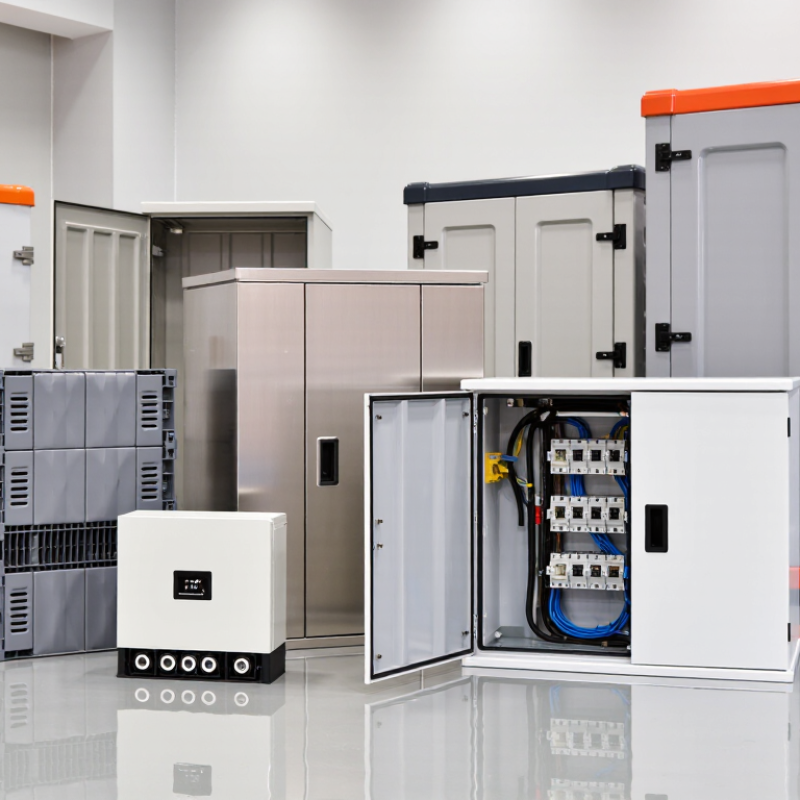
Core Functions and Main Components of Electrical Enclosures
Electrical enclosures do more than hide wiring.
They protect energized parts from dust, water, impact, and accidental contact. In a factory, a sealed steel cabinet may face oil mist, vibration, and daily door movement. Outdoor units also need resistance to ultraviolet exposure and temperature swings. The correct enclosure begins with the environment, not the equipment list. That decision is often underestimated.
The main structure includes the body, door, hinges, mounting plate, and removable gland plate. A continuous gasket limits moisture and dust entry, while a lock controls authorized access. Cable glands preserve the entry seal. Grounding studs and bonding straps help maintain a safe fault path.
Internal DIN rails, terminal blocks, circuit protection, and wiring ducts organize serviceable connections. Vent filters or heat exchangers manage temperature when sealed cooling is required. Small details matter.
For global buyers, compare ingress protection, corrosion resistance, material thickness, and thermal performance against local requirements. IEC and NEMA classifications are not automatically interchangeable; confirm the applicable code with a qualified engineer.
A high rating cannot compensate for a badly fitted gasket. Nor can a strong cabinet fix poor cable routing.
Field checks should examine unused entries, hinge alignment, drain points, and bonding continuity. One practical weakness remains: specifications rarely show maintenance habits. A cabinet may pass inspection, then fail early when doors are forced or filters are ignored. Design reviews should question those real conditions before purchase.
Key Factors Used to Classify Enclosure Types
Top 10 Electrical Enclosure Types for Global Buyers
Key Factors Used to Classify Enclosure Types
Electrical enclosures are classified by more than shape. Buyers compare material, protection level, mounting method, access design, and heat control. These factors separate wall-mounted, floor-standing, junction, modular, outdoor, and washdown enclosures. Each type serves a different operating environment. A small control box may fit a factory wall, while a tall cabinet may protect drives and terminal blocks.
Material selection affects strength, weight, corrosion resistance, and maintenance. Painted steel handles many indoor applications. Stainless steel suits damp areas and frequent cleaning. Polycarbonate reduces weight and resists many chemicals. However, no material performs perfectly everywhere. A coastal site may expose even strong metal to salt and condensation.
Ingress protection is another practical classification factor. Buyers should check resistance to dust, water, impact, and accidental contact. The rating must match the real installation, not only the product description. Cable entry direction also matters. Poorly planned glands can create water paths beneath a supposedly protected lid. Thermal performance deserves equal attention. Fans, filters, heat exchangers, or passive ventilation may be necessary around heat-producing equipment. Installation space, service access, local electrical rules, and replacement availability should guide the final choice. A catalog comparison helps, but field conditions can challenge the neatest specification.
Ten Common Electrical Enclosure Types for Global Buyers
Electrical enclosures protect wiring, terminals, controls, and sensitive equipment from dust, moisture, impact, and accidental contact. For global buyers, choosing the right type starts with the installation environment, not appearance. The ten common options include junction boxes, pull boxes, terminal boxes, control cabinets, instrument enclosures, operator stations, disconnect enclosures, wall-mounted cabinets, floor-standing cabinets, and outdoor enclosures.
Junction boxes organize cable connections in compact spaces.
Pull boxes provide room for routing and maintenance of larger conductors.
Terminal boxes simplify field wiring and inspection.
Control cabinets house relays, breakers, and automation components.
Instrument enclosures protect meters and sensors from contamination.
Operator stations place switches and displays near machinery.
Disconnect enclosures support safer equipment isolation.
Wall-mounted cabinets save floor space, while floor-standing cabinets suit larger assemblies.
Outdoor enclosures need suitable corrosion resistance, drainage, and verified ingress protection.
Fit matters.
Buyers should confirm dimensions, material, mounting method, cable entry, ventilation, and access clearance before ordering. Stainless steel may suit corrosive areas, while coated steel can offer practical value in controlled interiors. Plastic options reduce weight but may need careful impact and temperature review. IP and NEMA ratings are useful references, yet they should match the actual installation and local requirements. A higher rating is not automatically better. Poor cable glands can still allow water inside. Even experienced teams sometimes overlook heat buildup, spare capacity, or door swing clearance. Measure twice. Then review the enclosure with the electrician who will install and service it.
Materials, Protection Ratings, and International Standards
Top 10 Electrical Enclosure Types for Global Buyers
Materials, Protection Ratings, and International Standards
Global buyers commonly specify wall-mount, floor-standing, junction, terminal, modular, console, pull-box, stainless-steel, polycarbonate, and hazardous-area enclosures. Each type serves a different installation reality.
A dusty factory needs a tighter seal than a clean indoor control room. Carbon steel offers strength and economical fabrication. Stainless steel resists corrosion in washdown areas. Aluminum reduces weight. Polycarbonate provides electrical insulation and easy inspection.
Protection ratings require careful reading. IEC 60529 defines IP codes, while NEMA 250 uses enclosure types with different test principles.
IP66 indicates protection against dust and powerful water jets. It does not automatically confirm resistance to chemicals, impact, or ultraviolet exposure.
NEMA Type 4X adds corrosion resistance requirements.
The difference matters during international procurement. A rating is not a universal promise.
Recent market analysis by Grand View Research values the global electrical enclosures market at about USD 7.3 billion in 2023, with continued growth expected through 2030. Demand is linked to power distribution, automation, and renewable infrastructure.
Buyers should also check IEC 61439 for low-voltage assemblies and IEC 62208 for empty enclosures. Certification documents should match the exact material, gasket, coating, and mounting method.
Small omissions cause expensive failures. I have seen specifications focus on IP ratings while ignoring condensation and cable-gland orientation. That is a weakness worth correcting.
Testing must reflect the real site, not only the catalog.
How to Match an Enclosure Type to Its Operating Environment
Choosing an electrical enclosure starts with the environment, not the catalog photograph.
A dusty workshop may need a sealed box with gasketed doors and filtered pressure control. Outdoor coastal sites demand corrosion-resistant materials and drainage paths. In direct sunlight, a light-colored finish can reduce internal heat. Small detail, big effect. I have seen teams select a high ingress rating, then ignore solar heating. That decision protected against water but shortened component life.
The common enclosure families serve different operating conditions.
General-purpose metal cabinets suit clean indoor rooms and controlled temperatures. Stainless steel versions fit washdown areas, food-processing zones, and humid facilities. Polycarbonate enclosures resist corrosion where salt or chemicals attack metal, though impact performance varies. Explosion-protected designs require specialist assessment and certified installation; they are not a shortcut for ordinary dust. For hot machinery spaces, ventilated or air-conditioned cabinets may work better than a fully sealed design. Yet ventilation can invite dust. This tradeoff deserves measurement.
Before specifying a size, record ambient temperature, humidity, dust type, washdown pressure, UV exposure, and available clearance.
Check cable entries, door swing, mounting strength, and heat from internal equipment. A compact enclosure saves space, but crowded wiring becomes difficult to inspect and cool. I prefer leaving practical spare capacity, even when the initial budget objects. Test a sample in the actual location when possible. Standards and ratings provide a reliable baseline, but site observations still matter. A drawing rarely shows condensation on a winter morning.