How to Make High Quality Paper from Wood Pulp?
Creating high-quality paper from wood pulp requires a deep understanding of the pulp production process. Renowned industry expert Dr. Emily Carter once stated, "The quality of the final paper heavily relies on the purity of the wood pulp used." This highlights the importance of sourcing clean and sustainable wood fibers in the production cycle.
The transformation of wood pulp into fine paper involves multiple steps. First, wood is harvested, chipped, and processed into pulp. Each stage affects the final outcome. Achieving high quality demands precision and care. However, several challenges exist. Inconsistencies in wood quality and variations in processing can lead to inferior paper products.
Moreover, the process often generates environmental concerns. Achieving balance between production needs and ecological preservation is tricky. Continuous improvement is necessary. While we aim for optimal results, we must reflect on our practices and their impact. A commitment to sustainability and innovation in wood pulp processing can lead to better paper quality and a healthier planet.
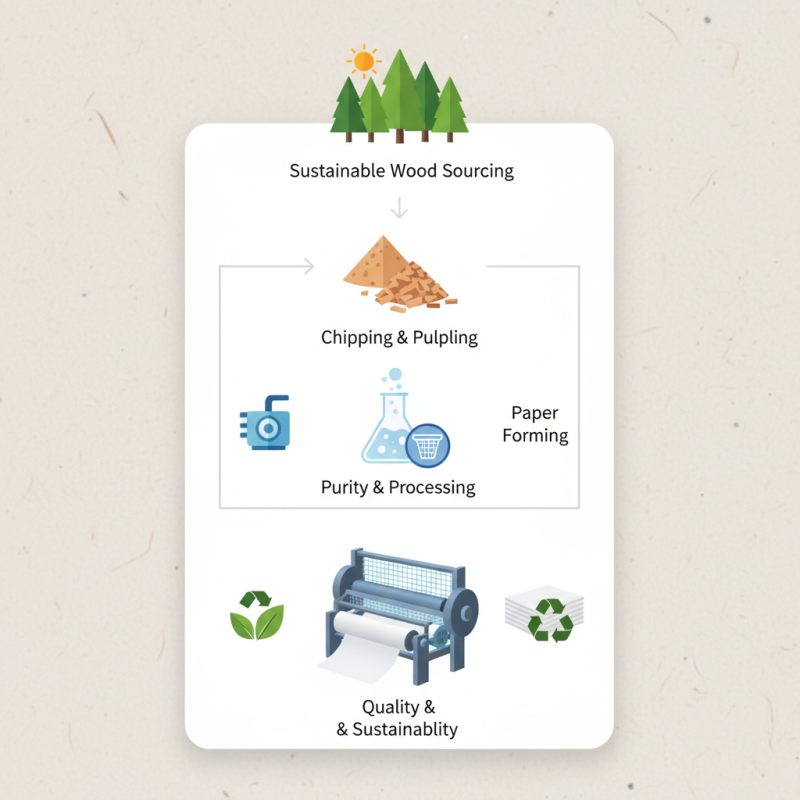
Understanding Wood Pulp: The Raw Material for High-Quality Paper
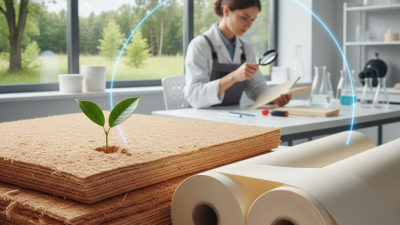
Understanding wood pulp is essential for producing high-quality paper. Wood pulp is derived from softwood and hardwood trees. This fundamental raw material provides the fibers needed to create various paper types. The process begins with debarking trees, which can be inefficient. Often, some bark remains, leading to impurities in the pulp.
After debarking, the wood is chipped into small pieces. Chipping can create debris that affects the quality of the final product. These chips undergo cooking, which breaks down the lignin and cellulose. However, not all cooking methods are equal. Some may overcook the fibers, resulting in a weaker paper. The temperature and timing here are crucial.
Next, the pulp is bleached to achieve the desired whiteness. This step can be delicate, as excessive bleaching degrades fiber strength. It's a balancing act. Each batch may behave differently, leading to variability. Finally, the pulp is refined and dried before being formed into sheets. Throughout this process, attention to detail is vital. Small mistakes can have large consequences on the quality of the paper.
The Process of Preparing Wood Pulp for Paper Production
The process of preparing wood pulp for paper production is intricate and requires precision. Wood fibers are the primary raw material, harvested from various tree species. Typically, hardwood and softwood fibers are used. Hardwood fibers are shorter, giving strength and smoothness. Softwood fibers, being longer, add flexibility and bulk. According to industry reports, transforming wood into high-quality pulp can yield over 90% of the fibers intact if done correctly.
Various methods exist for pulping. The mechanical pulping method produces high yield but compromises purity. Chemical pulping, on the other hand, offers cleaner results but reduces the fiber yield significantly. It is essential to balance these aspects. In fact, a recent study indicated that chemical pulping of softwood results in only 45% yield but enhances the quality and durability of the paper.
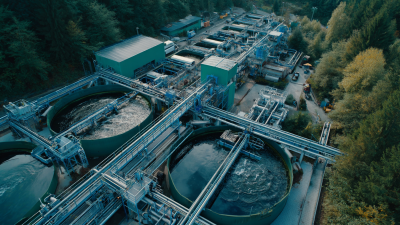
Monitoring environmental impacts is crucial. The process generates waste and emissions that can harm ecosystems. A report from the Paper & Wood Products Environmental Council highlights that one ton of paper production can create up to 1.5 tons of waste. Sustainable practices are emerging but require adherence to strict measures. This industry faces constant pressure to innovate while maintaining quality and minimizing ecological footprints.
Techniques for Refining and Bleaching Wood Pulp
Refining and bleaching wood pulp is crucial for producing high-quality paper.
The first step in refining involves mechanical processes like grinding or beating. These processes increase fiber flexibility and surface area.
As fibers get shorter and more flexible, they bond together better, enhancing paper strength.
However, controlling this process can be tricky.
Excessive beating can weaken fibers, potentially leading to a brittle final product.
Once pulping is complete, the bleaching process begins. Typically, this involves chemical agents that remove lignin and other impurities.
Hydrogen peroxide and chlorine dioxide are common choices. They effectively brighten the pulp, creating a clean slate for paper production.
Yet, this chemical approach comes with risks.
Over-bleaching can destroy fiber integrity, leading to lower quality.
It’s crucial to find the right balance in bleaching to avoid creating weak pulp.
One challenge faced during these processes is waste management.
Both refining and bleaching generate byproducts. These can harm the environment if not handled properly.
Sustainable practices are necessary in this stage to minimize impact.
Paper producers must constantly reflect on their methods.
Finding innovative ways to refine and bleach while protecting the planet is an ongoing task.
Each attempt brings us closer to a more sustainable method of creating high-quality paper.
Forming and Drying Paper from Wood Pulp: Step-by-Step
Forming and drying paper from wood pulp involves several crucial steps. After preparing the wood pulp, forming the sheet is the next stage. A slurry of wood pulp is spread across a flat surface. This allows fibers to align as water drains away. The consistency of the pulp affects the final quality. According to industry reports, a 10% variation in pulp consistency can significantly impact paper strength.
Once the sheet is formed, drying is essential. Excess moisture must be removed to prevent mold and ensure durability. Typically, the drying process uses heated rollers or air dryers. Studies show that optimal drying conditions can increase paper quality by up to 30%. However, achieving perfect dryness can be challenging. Over-drying may lead to brittleness, while under-drying risks deterioration.
In practice, maintaining consistent conditions is difficult. Temperature fluctuations and humidity may alter results. Furthermore, monitoring equipment often requires calibration. These factors can introduce imperfections in the final product. Paper manufacturers must reflect on these processes to enhance efficiency. Even minor adjustments can yield better outcomes in quality and production speed.
Paper Production Process from Wood Pulp
Quality Control Measures in Paper Manufacturing from Wood Pulp
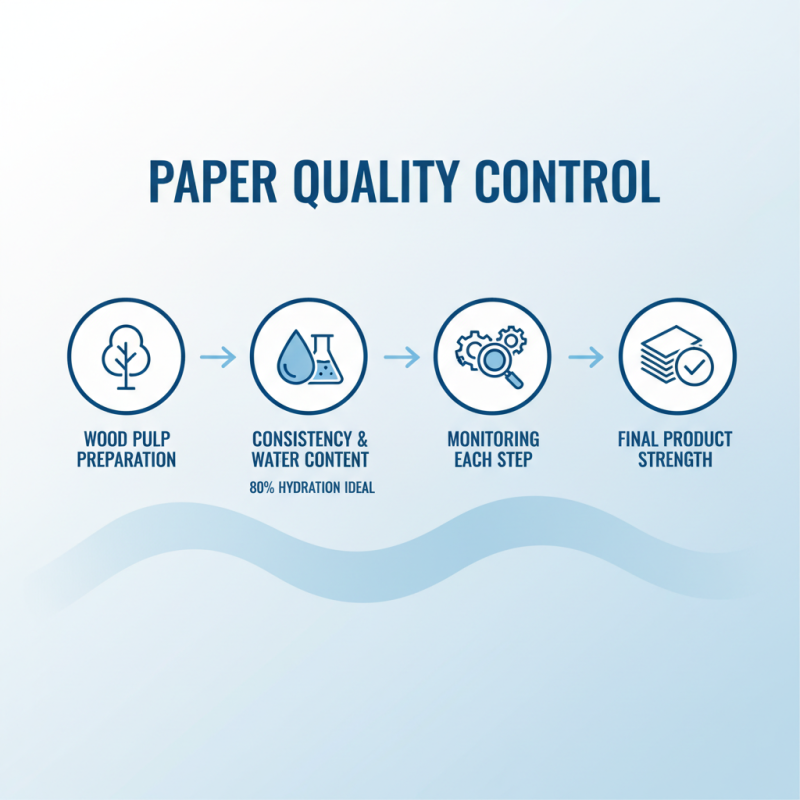
Quality control in paper manufacturing from wood pulp is crucial. Each step impacts the final product. Monitoring the pulp’s consistency is essential. The water content should be checked regularly. Too much moisture can weaken the paper. A hydration level of 80% is often ideal.
During cooking, the temperature must be strictly controlled. If the heat is too high, the fibers may degrade. This can lead to poor-quality paper. Visual inspections are important during this phase. Workers should look for any discoloration or unwanted textures in the pulp. These are signs that something is off.
Finally, testing the finished paper is vital. It should be run through a tensile strength test. The paper should resist tearing easily. If it doesn't meet the expectations, re-evaluation is necessary. There's always room for improvement. Quality control may seem tedious, but it prevents larger issues later. Small adjustments can have a big impact. Continuous feedback loops are needed in this industry.