Top 10 Benefits of Hollow Fiber Membrane Filters for Water Purification
In the ever-evolving field of water purification, the adoption of innovative technologies plays a critical role in ensuring clean and safe water for various applications. One such breakthrough technology is the hollow fiber membrane filter, which has gained significant attention for its efficiency and versatility. According to Dr. Emily Thompson, a leading expert in membrane technology, "Hollow fiber membrane filters are revolutionizing the way we treat water, providing unmatched filtration capabilities while remaining cost-effective." This statement underscores the profound impact that these filters have on both industrial and domestic water purification processes.
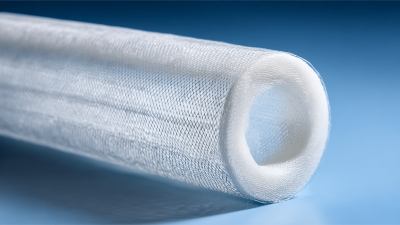
Hollow fiber membrane filters use a unique structure that increases surface area and enhances filtration efficiency. Their ability to remove contaminants effectively makes them a favored choice among water treatment facilities. Additionally, their compact size and lightweight design allow for easy installation and maintenance, bringing convenience to users. As the demand for clean water continues to rise, understanding the ten key benefits of hollow fiber membrane filters becomes essential for both industry professionals and consumers looking for reliable solutions to water quality challenges. This article will delve into those benefits, highlighting why these filters are a vital component in modern water purification systems.
Advantages of Hollow Fiber Membrane Technology in Water Purification Applications
Hollow fiber membrane technology stands out in water purification applications due to its unique structure and efficiency. The slender, tubular fibers create a large surface area for filtration, allowing for the effective removal of contaminants, including bacteria, viruses, and suspended solids. This high surface area-to-volume ratio enables systems to operate at lower pressures, enhancing energy efficiency while maintaining a high flow rate. Moreover, the membranes are designed to be selectively permeable, making it easier to target specific contaminants without compromising water quality.
Another significant advantage of hollow fiber membranes is their compact design, which allows for installations in various settings, from home water filtration units to large-scale municipal systems. This versatility is further supported by the durability of the materials used, which are often resistant to fouling and chemical degradation. Additionally, hollow fiber membranes can be easily integrated into existing water treatment processes, improving overall system performance. As a result, this technology plays a pivotal role in advancing sustainable water purification solutions.
Top 10 Benefits of Hollow Fiber Membrane Filters for Water Purification
Enhanced Efficiency: Hollow Fiber Membranes Achieve 99% Contaminant Removal Rates
Hollow fiber membranes have emerged as a pivotal technology in water purification, achieving remarkable contaminant removal rates that can reach 99%. This enhanced efficiency is largely attributed to their unique structural properties, which provide a high surface area to volume ratio, allowing for effective filtration and separation processes. When utilized in various applications, such as separating harmful cations or gases like CO2, these membranes demonstrate a capacity for significant pollutant reduction, thus addressing both environmental and public health concerns.
Recent advancements in membrane technology have explored the incorporation of materials such as graphene oxide and biopolymer composites to further improve membrane performance. Innovations like mixed matrix membranes, which combine different functional materials, have led to enhanced anti-fouling and self-cleaning properties, ensuring sustained operational efficiency. As the demand for clean water and effective waste management grows, the integration of advanced hollow fiber membranes into water treatment systems offers a promising solution to tackle these pressing challenges.
Top 10 Benefits of Hollow Fiber Membrane Filters for Water Purification
| Benefit |
Description |
Contaminant Removal Rate (%) |
Application |
| High Contaminant Removal |
Can effectively remove bacteria, viruses, and suspended solids from water. |
99% |
Drinking Water Treatment |
| Compact Design |
Small footprint allows easy integration into existing systems. |
N/A |
Industrial Filtration |
| Cost-Effective |
Reduced operational and maintenance costs compared to traditional methods. |
N/A |
Municipal Water Treatment |
| Durability |
Long lifespan and resistance to fouling. |
N/A |
Agricultural Irrigation |
| Versatile Applications |
Suitable for various water sources and contamination types. |
N/A |
Wastewater Treatment |
| Improved Water Quality |
Delivers high-quality water suitable for sensitive applications. |
99% |
Food and Beverage Industry |
| Ease of Use |
Simple operation and low maintenance requirements. |
N/A |
Residential Water Filter Systems |
| Environmentally Friendly |
Low energy consumption and minimal chemical use. |
N/A |
Aquaculture |
| Scalability |
Easily scalable for increased demand. |
N/A |
Desalination Plants |
| Quick Startup |
Fast installation and commissioning times. |
N/A |
Emergency Water Supply |
Cost-Effectiveness: Reducing Operational Costs in Water Treatment by 30% with Hollow Fiber Filters
Hollow fiber membrane filters are revolutionizing the water treatment sector, particularly when it comes to cost-effectiveness. By implementing these filters, facilities can significantly reduce operational costs, estimated to be as much as 30%. This reduction is primarily attributed to the efficiency of the filters, which allow for higher flow rates and greater contaminant removal without the need for extensive pre-treatment processes. This optimization helps lower energy consumption and minimizes wear and tear on equipment.
In addition to direct financial savings, hollow fiber membranes also contribute to a longer lifecycle for water treatment systems. With their robust design and resistance to fouling, these filters require less frequent replacements and maintenance, decreasing downtime and labor costs associated with system upkeep. Moreover, the compact nature of hollow fiber filters enables more efficient use of space within treatment facilities, allowing operators to enhance capacity without significant infrastructure investments. Overall, the deployment of hollow fiber membrane filters presents a smart investment for sustainable and economical water purification solutions.
Compact Design: Space-Saving Solutions for Water Purification in Urban Environments
In urban environments where space is at a premium, the compact design of hollow fiber membrane filters presents a significant advantage for water purification. These filters are designed to be efficient and effective while occupying minimal physical space. Their slender, tubular structure allows for a high surface area-to-volume ratio, enabling them to purify large volumes of water without the need for expansive installations. This makes them ideal for homes, offices, and even mobile units in densely populated areas where traditional filtration systems may not be feasible.
Moreover, the lightweight characteristics of hollow fiber membranes facilitate easy installation and maintenance. Unlike traditional filtration systems that often require substantial infrastructure, these compact filters can be integrated into existing plumbing with ease. This feature is particularly beneficial in urban settings where modifications to buildings must be done promptly and without significant disruption. As cities continue to grow and face water quality challenges, the adoption of space-saving solutions like hollow fiber membrane filters will play a vital role in promoting sustainable urban water management.
Sustainability: The Role of Hollow Fiber Membranes in Reducing Water Waste and Energy Consumption
 Hollow fiber membrane filters play a crucial role in the effort to reduce water waste and energy consumption in water purification processes. By leveraging the unique properties of these membranes, water treatment systems can achieve higher filtration efficiency while requiring significantly less power than traditional methods. As water scarcity becomes a pressing global issue, utilizing hollow fiber technology not only maximizes water recovery but also aligns with sustainable practices aimed at preserving our planet’s resources.
The design of hollow fiber membranes facilitates ample surface area for filtration within a compact footprint, allowing for a reduction in both energy usage and operational costs. These filters can effectively remove contaminants without the need for extensive chemical treatments, thereby minimizing the overall environmental impact. Moreover, their longevity means that fewer resources are consumed over time in maintenance and replacement, ultimately contributing to a more sustainable and energy-efficient water purification solution. Such innovations are essential for industries and communities seeking to implement eco-friendly practices while ensuring safe and clean water access for all.
Conclusion
Hollow fiber membrane filters offer significant advantages for water purification, making them an essential technology in modern water treatment applications. With an impressive 99% contaminant removal rate, these filters enhance efficiency and ensure cleaner water. Additionally, they provide a cost-effective solution, reducing operational costs by up to 30%, which is particularly beneficial for facilities seeking to optimize their budget.
The compact design of hollow fiber membrane filters allows for space-saving installations, making them ideal for urban environments where space is at a premium. Furthermore, their sustainability aspect plays a crucial role in minimizing water waste and energy consumption. Versatile in application, these filters can be utilized across various water sources and treatment methods, solidifying their position as a pivotal component in effective water purification systems.