How to Choose the Best Bathroom Shelf in 2026?
Choosing the right Bathroom Shelf in 2026 is less about finding the prettiest design and more about matching storage to your daily routine. A narrow shower stall, a shared family bathroom, and a powder room all need different solutions. Measure the available wall space before browsing, and note where doors, taps, and shower spray may interfere. A shelf that looks roomy online can feel cramped beside a bottle of shampoo.
Material matters. Stainless steel and well-finished aluminum generally handle damp conditions better than untreated wood, while sealed wood can bring warmth to a dry vanity area. Check the manufacturer’s care instructions and weight limits; a crowded shelf can loosen fittings over time. Wall-mounted models save floor space, but installation depends on the wall surface and hardware. No drilling? Adhesive options may work for lighter items, though moisture and surface preparation affect their grip.
Small details count. Raised edges help keep soap from sliding, and drainage slots reduce standing water. Think about what you actually reach for: a razor, face wash, or a child’s bath toy. Then choose a shelf with enough room, not so much that clutter takes over. It is easy to overestimate how tidy a bathroom will stay. I would leave a little breathing space between items. A simple layout is often easier to clean, and easier to live with.
This guide compares shelf types, materials, mounting methods, and practical features to help you make a confident choice. Measure twice. Consider your habits, the room’s moisture, and the shelf’s upkeep before deciding.
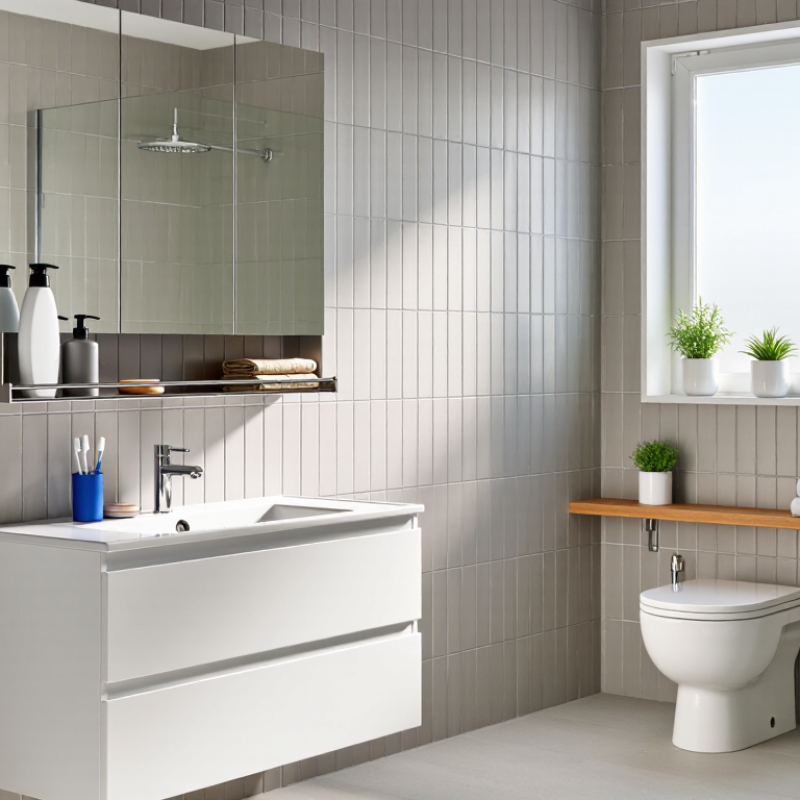
Define the Fit: NKBA Recommends a Minimum 36 × 36-Inch Shower
When choosing a bathroom shelf in 2026, start with the shower’s usable space. The NKBA recommends a minimum shower size of 36 × 36 inches. That gives a practical baseline, not permission to fill every inch with storage. Measure the finished interior, including tile and any fixed fittings. A shelf that looks slim in a product photo can feel bulky beside your shoulder.
Place toiletries where they are easy to reach without blocking movement. In a compact shower, a recessed niche may preserve elbow room; a corner shelf can work if its edges stay clear of the spray and entry path. Check the shelf’s depth against the bottles you actually use. A tall shampoo bottle needs a different ledge than a small bar of soap. Keep sharp corners away from common contact points.
Details matter. Note the height of the shower control, the direction of the door, and where water tends to collect. Use a level during installation, and follow the shelf maker’s load and mounting instructions. I have seen “just a few bottles” become a crowded row surprisingly fast. Measure twice. Still, tape on the wall is only a rough preview; it cannot fully show how the shelf feels when you turn or reach.
Set Reachable Height: Use the ADA’s 15–48-Inch Reach Range as a Guide
A bathroom shelf should be easy to reach without stretching, twisting, or leaning over the sink. The 2010 ADA Standards for Accessible Design set an unobstructed forward reach range of 15 to 48 inches above the finished floor. Treat this as a practical planning guide at home; requirements may differ in covered public or commercial spaces. If a counter or other obstacle blocks the approach, the usable reach can change. Measure from the finished floor, not from the countertop.
Small detail. Big difference. Place daily-use items, such as soap or a comb, near the comfortable middle of that range. Keep heavier bottles lower, and avoid putting essentials above shoulder height. The CDC reports that about one in four adults aged 65 and older falls each year; a reachable shelf cannot prevent every fall, but it can reduce the need to stretch for routine items. Before drilling, mock up the shelf with painter’s tape and test it while standing and seated. I once judged placement by eye; it looked right, yet a wet hand still struggled to reach the back corner. Leave enough clearance for fingers, containers, and a towel.
Assess Wet-Area Materials: ANSI A137.1 Defines Porcelain at ≤0.5% Absorption
When choosing a bathroom shelf in 2026, look beyond its color and shape. A wet bathroom puts shelves through repeated splashes, steamy air, and regular cleaning. ANSI A137.1 defines porcelain tile as having water absorption of 0.5% or less. That low rate can make porcelain a sensible surface choice near a shower. Check the product documentation, though: a tile’s classification does not automatically certify the shelf, its backing, or its installation.
Details matter. Inspect exposed edges, corners, and mounting points, where moisture may find a way in. A sealed tile surface can still be let down by porous grout or a poorly protected core. For a practical check, imagine water sitting beside a shampoo bottle overnight. Would the shelf’s edges and joints stay protected? Look for clear care instructions and hardware suited to a damp room. I might be tempted to choose the thickest shelf, but thickness alone says little about water resistance or load capacity. Measure the wall space, consider the weight of full bottles, and verify how the shelf must be mounted. Small details show up later.
Choose a Mounting Method That Matches the Wall and Shelf Load Rating
A bathroom shelf’s mounting method should match both the wall material and the shelf’s rated load. The 2021 International Residential Code describes common stud layouts at 16- and 24-inch intervals on center, but spacing alone does not confirm where a stud sits behind tile. Use a stud finder, then verify carefully before drilling. For a stud-mounted shelf, choose screws long enough to pass through the finish and engage solid framing. For hollow drywall, use an anchor specifically rated for the wall thickness and expected load. Tile needs a suitable bit and careful drilling; the tile itself should not be treated as structural support.
Check the shelf maker’s stated capacity and whether that rating assumes installation into studs, masonry, or a particular anchor. ASTM E72 provides test methods for evaluating the strength of building panels, but it does not certify a bathroom shelf or its fasteners. That distinction matters. A panel test is not a shelf-load rating. Add the weight of stored bottles, wet towels, and anything likely to be placed down quickly. I still find this easy to misjudge: a shelf can feel firm while its anchors are slowly loosening. If the wall construction is uncertain, reduce the load or fasten into framing rather than guessing.
How to Choose the Best Bathroom Shelf in 2026?
Choose a mounting method that matches the wall and the shelf load rating.
These are illustrative ranges found on common fastener products, not guaranteed capacities: actual ratings depend on the specific fastener, wall condition, and installation. Tile is a finish, not structural support—fasten through it into a stud or suitable backing where possible. Check the fastener and shelf instructions, and account for the combined load of the shelf and its contents.
Compare Finishes, Cleaning Needs, and Manufacturer Warranties
A bathroom shelf faces steam, splashes, soap film, and daily handling. Choose its finish for your cleaning habits, not just its showroom shine. Polished chrome is easy to wipe, but water spots can return quickly. Matte finishes may hide fingerprints, yet some show mineral marks. Check the care instructions before buying; abrasive pads can dull coatings. Small detail. It matters.
Houzz’s 2024 U.S. Bathroom Trends Study found that 84% of renovating homeowners upgraded their showers. That makes wet-area durability especially relevant when placing a shelf near a shower. Look for clear guidance on cleaning, corrosion resistance, and suitable surfaces. After a week of use, soap can collect around mounting points and corners. A shelf with open drainage and smooth edges is usually easier to wipe. Still, “easy-clean” is not a guarantee; hard water changes the picture.
Read warranty terms closely. Check whether coverage applies to the finish, mounting hardware, and corrosion, and note exclusions for harsh cleaners or improper installation. Compare the claim period and required proof of purchase. A long warranty sounds reassuring, but it may cover only manufacturing defects, not gradual finish wear. That distinction is easy to miss. A useful choice balances a finish you can maintain with written coverage that matches how the shelf will actually be used.