What is a Pulp Molding Machine and How Does It Work?
A pulp molding machine is an innovative device used to create biodegradable packaging. It transforms raw materials, like recycled paper, into molded shapes. This process is both efficient and environmentally friendly.
Understanding how a pulp molding machine operates can provide insights into sustainable manufacturing. The machine mixes pulp with water. It then forms the mixture into molds, shaping it into desired products. This technique reduces waste and promotes recycling.
However, challenges exist in the industry. Not all materials yield the same quality. Operators must pay attention to the consistency of the pulp. This reinforces the need for continuous improvement and learning.
What is a Pulp Molding Machine?
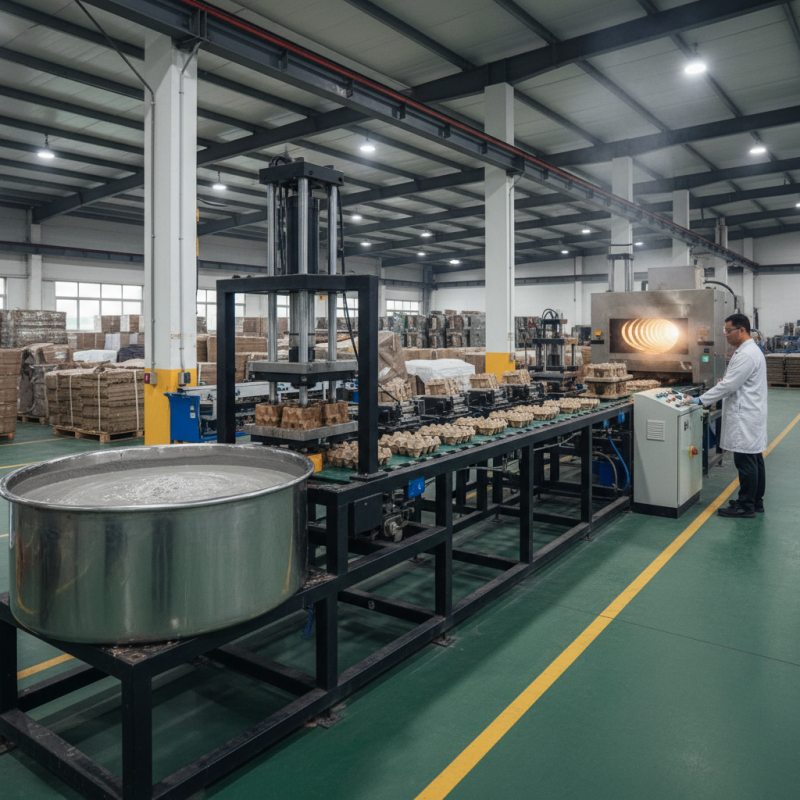
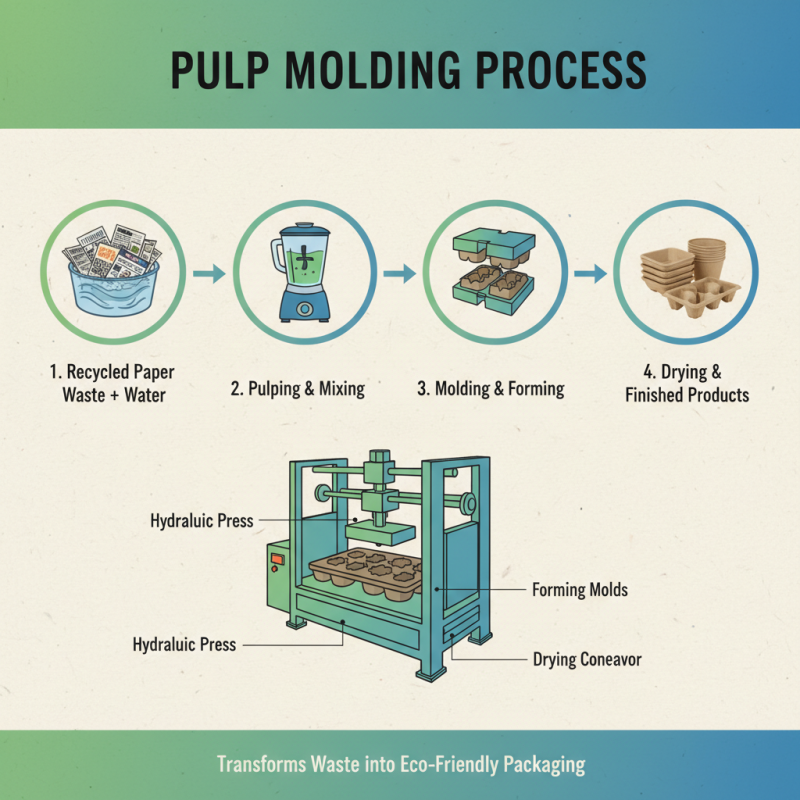
A pulp molding machine is a crucial piece of equipment in the production of biodegradable packaging. This technology transforms recycled paper and pulp into various shapes. The process begins with soaking paper waste in water. This mixture is then molded into desired forms using specific molds.
According to industry reports, the global pulp molding market is expected to grow at a CAGR of around 5.6% from 2023 to 2030. The increasing demand for sustainable packaging drives this growth. Many businesses opt for such solutions to reduce their carbon footprint. Pulp molded products are compostable and an eco-friendly alternative to plastics.
Despite these benefits, challenges exist. The efficiency of pulp molding machines can vary widely. Some machines may struggle with uniformity in production. Operational costs can be high, and maintenance requires specialized knowledge. Addressing these issues is critical for manufacturers to remain competitive. The rise in demand brings both opportunities and obstacles in the pulp molding sector.
Key Components of a Pulp Molding Machine
A pulp molding machine is designed to create molded pulp products from recycled paper. The key components of this machine determine its efficiency and effectiveness. One important part is the pulping system. It breaks down paper into a slurry. The consistency and quality of this slurry affect the final product. A study indicates that the right pulp density can increase mold strength by up to 30%.
Another essential component is the mold itself. The mold shapes the pulp into desired forms. Different molds can produce various products, from trays to containers. The accuracy of the mold impacts the production rate. Industry reports suggest that precise molds can reduce production time by 15%, enhancing overall productivity.
Additionally, the drying system is crucial. It removes moisture from molded products. Proper drying prevents warping and ensures durability. However, achieving the right balance between drying time and energy consumption remains a challenge for many manufacturers. Increasing raw material costs also push the sector to innovate and optimize these components continuously. The quest for efficiency never ends.
Pulp Molding Machine Output Analysis
How Pulp is Prepared for Molding
Pulp molding begins with the careful preparation of raw materials. Typically, recycled paper products like newspapers and cardboard are the primary sources.
Industry reports indicate that around 80% of pulp used in molding comes from recycled sources. This not only saves trees but also reduces waste in landfills.
The process starts with shredding these materials into small pieces. Then, they are soaked in water to create a slurry. This slurry is agitated to ensure uniform consistency. According to recent studies, achieving the right fiber consistency is crucial for molding efficiency and product quality.
Fiber lengths of 2-5 millimeters are often preferred for optimal performance.
However, not all pulp sources are equal. Variations in paper quality can lead to inconsistencies in the final product. Some manufacturers overlook this aspect, resulting in weaker structures. To enhance strength, additives like binders can be mixed into the slurry.
Balancing cost and performance remains a challenge. In the end, the preparation of pulp is a delicate art, influenced by various factors that require careful consideration.
The Pulp Molding Process Explained
The pulp molding process is an innovative method used to create biodegradable packaging materials. It involves transforming waste paper into pulp and molding it into various shapes. This process is both eco-friendly and efficient. The global pulp molding industry is projected to reach $1.62 billion by 2027, according to industry reports.
In this process, raw materials are first shredded and mixed with water. This creates a slurry that is then molded into desired shapes using heat and pressure. After drying, the molded products are ready for use. Notably, pulp molding can produce items such as trays, containers, and even ornamental designs. These products are lightweight yet sturdy, making them ideal for shipping and storage.
Tips: Always check the moisture content of the pulp. Too much moisture can weaken the final product. Consider experimenting with different paper types to find the best results. Sometimes, less ideal combinations can lead to unexpected yet innovative designs, encouraging experimentation in the crafting process.
The pulp molding process offers a sustainable alternative to plastic. As consumer demand for eco-friendly materials rises, manufacturers need to evolve. Yet, achieving consistency remains a challenge. Variability in raw materials can lead to inconsistent product quality. Addressing these concerns is essential for future growth in the industry.
Applications and Benefits of Pulp Molding Machines
Pulp molding machines are innovative tools used to create various products from recycled paper pulp. They offer numerous applications across different industries. One notable application is in packaging. Businesses require sustainable solutions for shipping. Pulp molded packaging is biodegradable and reduces plastic waste. This aligns with the growing demand for eco-friendly options.
Another significant application is in the production of tableware. Pulp molding machines can produce trays, plates, and cups that are compostable. These items cater to the needs of environmentally conscious consumers. However, challenges exist in ensuring consistent quality and durability of the products. Some manufacturers struggle with achieving the right thickness and strength, which can affect performance.
The benefits of using pulp molding machines extend beyond sustainability. They can accelerate production rates and reduce costs. The machines can operate continuously, saving labor and time. While the initial investment may be high, long-term savings can be substantial. Nevertheless, not every company may achieve expected results immediately. Continuous testing and adjustments are often necessary to optimize the molding process. This reflects the ongoing learning curve many face in this evolving industry.
What is a Pulp Molding Machine and How Does It Work? - Applications and Benefits of Pulp Molding Machines
| Dimension |
Description |
| Machine Type |
Automatic, Semi-Automatic |
| Material Used |
Pulp from recycled paper |
| Production Capacity |
300-2000 pieces/hour |
| Applications |
Packaging, Fruit trays, Egg cartons |
| Benefits |
Eco-friendly, Cost-effective, Versatile design |
| Operating Principle |
Forming, drying, and shaping pulp into desired products |
| Energy Consumption |
Low to moderate, depending on the machine type |