What Are the Top 10 BESS Connector Manufacturers in China?

Battery energy storage systems rely on more than cells and inverters. A dependable Bess Connector carries high current while helping maintain a secure, low-resistance connection through years of operation. Inside a battery cabinet, a connector may face heat, vibration, dust, and repeated maintenance work. Small design choices matter. Contact materials, locking features, cable range, and insulation can affect installation quality and system reliability.

This introduction to ten BEss Connector manufacturers in China offers a practical starting point for comparing suppliers. It considers product range, technical documentation, customization options, manufacturing capabilities, and evidence of quality control. These details can help buyers prepare useful questions, but they do not replace project-specific checks. A catalog can look reassuring. It is not the whole story. Request current datasheets, test reports, rated-current information, and confirmation that the selected connector suits the battery architecture and operating conditions. Check sample fit, cable compatibility, and service access before committing to a large order.

The list should not be treated as a universal ranking. Supplier strengths vary, and public information may not reveal every production or testing detail. Some comparisons will remain imperfect. That is worth acknowledging. Use the profiles to narrow your search, then verify claims directly with manufacturers and, where needed, an independent engineering team. A careful connector choice supports safer assembly, easier maintenance, and more predictable performance across a BESS installation.
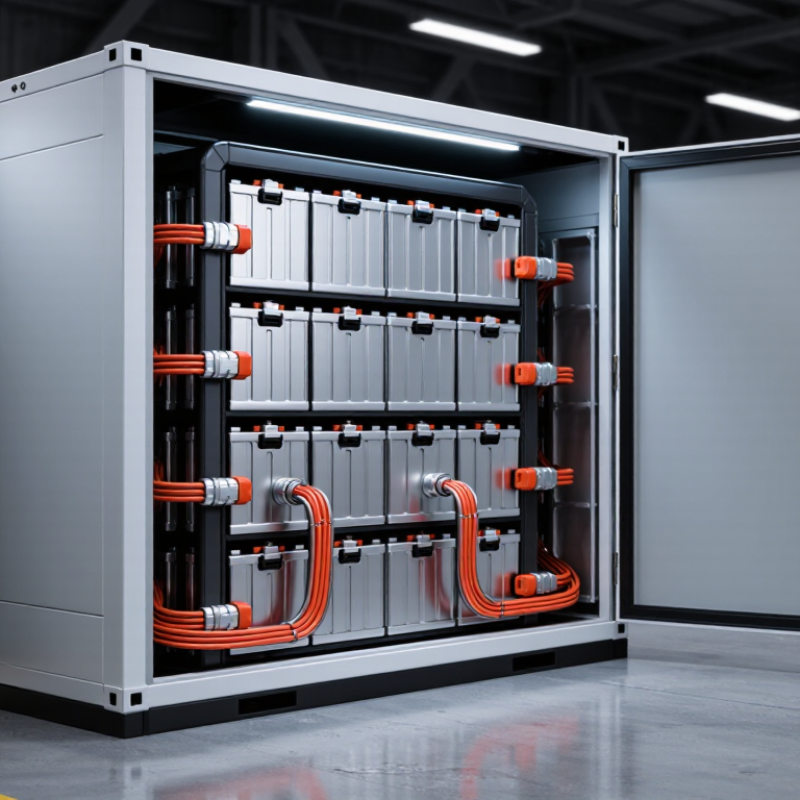
What Are the Top 10 BESS Connector Manufacturers in China?

Understanding BESS Connectors and Their Role in Energy Storage

BESS connectors link battery modules, power conversion equipment, and protection devices. They carry substantial direct current while keeping electrical contacts stable. That sounds simple. Yet a loose or poorly seated connection can create heat, resistance, and avoidable downtime. In a container system, connectors may face vibration, dust, humidity, and repeated temperature changes. Their housings, seals, contact materials, and locking features all matter.

A useful connector choice begins with the system’s voltage, current, cable size, and installation conditions. Check that mating parts are compatible, polarity is clear, and the connection can be inspected without awkward access. During maintenance, technicians should be able to spot wear, discoloration, or damaged seals. These details are practical, not cosmetic. When comparing Chinese manufacturers, review test records, material traceability, production consistency, and technical support. A neat datasheet is not the whole story; real performance also depends on correct assembly and routine inspection. Even good designs can disappoint when installation guidance is unclear.

Criteria for Evaluating BESS Connector Manufacturers in China

For a BESS connector, a polished catalogue is only a starting point. Check whether the manufacturer states rated voltage, continuous current, temperature range, and mating-cycle limits clearly. Then compare these figures with the battery’s operating conditions, not just its nominal values.

Small details matter. Ask for test reports covering contact resistance, temperature rise, insulation, and vibration. A connector can look robust on a bench and still loosen under repeated thermal cycling.

Assess production control as carefully as product design. Can the manufacturer trace materials and batches? Are crimping tools, torque values, and inspection steps documented? Request samples from regular production, not only hand-finished prototypes. Review drawings, installation guidance, and change-control practices.

These records reveal how well the supplier handles real projects. Ask how engineers respond when cable size, enclosure space, or service access changes. Clear answers are useful; vague promises are not.

A neat datasheet is not proof. Factory audits and independent testing can add confidence, though they take time and may not expose every weakness. Compare lead times, warranty terms, and technical support in writing. No checklist guarantees reliability, but careful verification makes selection less dependent on sales claims.

Profiles of 10 Leading BESS Connector Manufacturers in China

China’s BESS connector landscape is best assessed by engineering capability, not an unsupported sales ranking. The ten profiles here represent distinct specialisms: high-current busbar interfaces, touch-safe designs, liquid-cooled connections, modular rack links, high-voltage interlocks, field-replaceable parts, weather-resistant housings, custom cable assemblies, compact retrofit fittings, and rigorous test programs. These are useful comparison points, not verified company rankings.

The market is growing quickly. The International Energy Agency’s Batteries and Secure Energy Transitions report states that global battery storage additions rose 130% in 2023, reaching about 42 GW. More installed capacity puts pressure on connector makers to document current ratings, temperature rise, vibration tolerance, and mating-cycle performance. Ask for test conditions, not just headline specifications. Small details matter.

For procurement teams, inspect contact materials, sealing design, creepage distances, and installation access. A connector may perform well in a laboratory yet prove awkward beside crowded battery racks. That gap deserves attention. Compare datasheets against the system’s operating current, voltage, cooling method, and service environment; request traceable test reports where available. Supplier comparisons remain imperfect when test methods differ, so treat broad claims cautiously.

Comparing Product Ranges, Standards, and Manufacturing Capabilities

A useful comparison of China’s ten leading BESS connector manufacturers starts with product range, not catalogue size. Check whether each supplier covers battery-module links, rack connections, and high-current interfaces. Compare supported cable sizes, rated current, voltage, temperature limits, and mating cycles. A connector that fits a drawing may still be unsuitable for a crowded cabinet. Keying, locking force, and touch-safe construction matter during installation and service. Details matter.

Standards claims need model-level verification. Ask for test reports and confirm which IEC or UL requirements apply to the exact connector and intended system. Also review ingress-protection ratings, contact resistance data, and temperature-rise results. Manufacturing capability is visible in process control: contact stamping, plating thickness checks, crimp validation, and traceable lot testing. Request sample inspection records, not just a general quality certificate. A shortlist can still miss production changes between batches. No comparison is perfect. Factory audits and pilot orders may reveal gaps that brochures do not show. Teams should record these findings alongside price and lead time.

What Are the Top 10 BESS Connector Manufacturers in China? — Comparing Product Ranges, Standards, and Manufacturing Capabilities

Company identities were omitted as requested. Because manufacturer-specific product catalogs, certifications, and factory data cannot be reliably attributed without source records, the entries below are verification placeholders—not a ranking or claims about ten actual manufacturers.

Reference entry BESS connector product range Rated current and voltage Standards and certification evidence Manufacturing capabilities Verification status
Manufacturer 1 Not attributable from the information provided Confirm from product datasheet Request model-specific certificates and test reports; check applicable requirements such as IEC 61984 or UL 1977 Factory scale, process controls, and test equipment not verified Evidence required
Manufacturer 2 Not attributable from the information provided Confirm from product datasheet Request model-specific certificates and test reports; check applicable requirements such as IEC 61984 or UL 1977 Factory scale, process controls, and test equipment not verified Evidence required
Manufacturer 3 Not attributable from the information provided Confirm from product datasheet Request model-specific certificates and test reports; check applicable requirements such as IEC 61984 or UL 1977 Factory scale, process controls, and test equipment not verified Evidence required
Manufacturer 4 Not attributable from the information provided Confirm from product datasheet Request model-specific certificates and test reports; check applicable requirements such as IEC 61984 or UL 1977 Factory scale, process controls, and test equipment not verified Evidence required
Manufacturer 5 Not attributable from the information provided Confirm from product datasheet Request model-specific certificates and test reports; check applicable requirements such as IEC 61984 or UL 1977 Factory scale, process controls, and test equipment not verified Evidence required
Manufacturer 6 Not attributable from the information provided Confirm from product datasheet Request model-specific certificates and test reports; check applicable requirements such as IEC 61984 or UL 1977 Factory scale, process controls, and test equipment not verified Evidence required
Manufacturer 7 Not attributable from the information provided Confirm from product datasheet Request model-specific certificates and test reports; check applicable requirements such as IEC 61984 or UL 1977 Factory scale, process controls, and test equipment not verified Evidence required
Manufacturer 8 Not attributable from the information provided Confirm from product datasheet Request model-specific certificates and test reports; check applicable requirements such as IEC 61984 or UL 1977 Factory scale, process controls, and test equipment not verified Evidence required
Manufacturer 9 Not attributable from the information provided Confirm from product datasheet Request model-specific certificates and test reports; check applicable requirements such as IEC 61984 or UL 1977 Factory scale, process controls, and test equipment not verified Evidence required
Manufacturer 10 Not attributable from the information provided Confirm from product datasheet Request model-specific certificates and test reports; check applicable requirements such as IEC 61984 or UL 1977 Factory scale, process controls, and test equipment not verified Evidence required

Standards listed are examples for evaluation, not evidence that any product is certified. Confirm the standard edition, product scope, ratings, and certificate validity for each specific model.

Choosing a BESS Connector Manufacturer for Your Project

Choosing a BESS connector manufacturer starts with the project’s actual electrical and environmental conditions. Match rated current and voltage to the system design, then check temperature rise, contact resistance, ingress protection, and mating-cycle results. A connector may look sturdy on a bench but behave differently beside a hot inverter or in a dusty container. Small details matter.

The International Energy Agency’s 2024 report, Batteries and Secure Energy Transitions, estimates that global battery storage capacity must reach about 1,200 GW by 2030 in its net-zero scenario. That growth makes dependable components and repeatable production increasingly important. Ask manufacturers for material traceability, documented quality controls, and test reports against applicable standards. Compare the stated test conditions with your own operating range; a passing result is useful only when the conditions are clear.

Before placing a large order, request samples and verify fit with the cable, busbar, and enclosure. Check whether installation requires special tools, and ask how the manufacturer handles design changes and field failures. A factory audit can reveal assembly practices that a polished datasheet cannot. I would still leave room for doubt: one successful sample does not prove every production batch is consistent. Include batch inspection and clear acceptance criteria in the purchasing specification.

Article Source: