What is Wood Pulp and How to Source It Globally?
Wood pulp is a crucial raw material used in various industries, especially in paper production. It serves as the backbone for many products we use daily. According to Dr. Emily Hart, a renowned expert in sustainable forestry, "The journey of wood pulp from forest to factory illustrates a complex interplay of ecological considerations and market demand." Her insight highlights the importance of sourcing wood pulp responsibly.
Globally sourcing wood pulp involves understanding various supply chains. Sustainable practices are crucial in this process, as they ensure the protection of forest ecosystems. Finding reliable suppliers can be challenging. Different regions may offer unique quality and sustainability credentials. It is essential to assess these factors carefully.
Navigating the wood pulp market requires diligence and expertise. Companies must evaluate certifications and environmental impact. However, the reliance on global sourcing can present risks. Fluctuating prices and changing regulations can affect availability. These challenges emphasize the need for continuous reflection on sourcing strategies in the wood pulp industry.

Understanding Wood Pulp: Definition and Composition
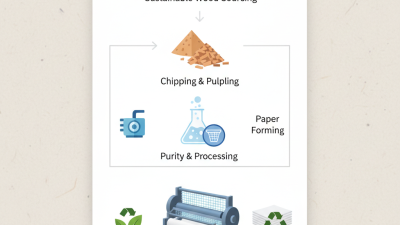
Wood pulp is a fibrous material derived from trees. It serves as a crucial raw ingredient in the paper and textile industries. Understanding its definition and composition helps us appreciate its importance. Mostly, wood pulp contains cellulose, hemicellulose, and lignin. Cellulose, which constitutes around 40-50% of the pulp, provides strength and durability. Hemicellulose and lignin contribute to the structure and bonding of the fibers.
The composition of wood pulp varies based on the source of the wood and the processing method used. Different wood species yield distinct qualities of pulp. For example, softwoods like pine generally produce longer fibers. Long fibers enhance the tensile strength of paper. However, not all methods of pulping are equally sustainable. Some processes can lead to deforestation and environmental damage. It's vital to reflect on sourcing methods and their ecological impacts. Responsible sourcing of wood pulp can promote both industry needs and environmental stewardship. Balancing these aspects is an ongoing challenge.
Global Production Statistics of Wood Pulp by Country and Region
The global production of wood pulp is a critical aspect of the paper and packaging industries. According to recent data, in 2022, the top producers included the United States, China, and Brazil. The U.S. alone accounted for approximately 25% of the world's wood pulp output. This statistic highlights the dominance of North America in the pulp market.
In Europe, production levels vary by country. Sweden and Finland are significant contributors, leveraging their vast forest resources. Together, they make up a good portion of Europe’s total wood pulp production, around 50%. However, the rising demand for sustainable materials could shift these dynamics. Countries are pressured to adopt eco-friendly practices.
As wood pulp sourcing evolves, insights show that Asia's role is increasing. The region is investing heavily in production capabilities, aiming to meet domestic needs and export demands. Reports estimate that by 2025, Asia could account for 40% of global wood pulp production. This shift may lead to a more competitive market, requiring producers to adapt continuously. Reflecting on these trends, producers must balance sustainability with efficiency.
Key Factors Influencing Wood Pulp Sourcing Decisions
Sourcing wood pulp globally involves various factors that can greatly influence decisions. Quality and sustainability are paramount. Buyers must ensure that the pulp is sourced from certified forests. This certification guarantees that the wood comes from responsibly managed forests, which is vital for environmental health. Consumers are increasingly aware of sustainability issues, leading to higher demand for certified products.
Price volatility is another significant factor. Market fluctuations can affect sourcing strategies. Buyers need to stay informed about market trends and supply chain dynamics. Establishing relationships with reliable suppliers is crucial. This could ensure a steady supply despite market uncertainties. Countries that produce large quantities of wood pulp can offer competitive pricing, but local regulations may impact sourcing decisions.
Logistics is often overlooked but critical. The distance between the source and manufacturing site can influence costs and delivery times. Transportation options and infrastructure quality also play a role. Poor infrastructure can lead to delays and increased expenses. Buyers must evaluate all these elements to make informed decisions about wood pulp sourcing.
Sustainable Practices in Wood Pulp Sourcing and Production
Sourcing wood pulp sustainably involves several critical practices. Responsible forestry is essential. This means harvesting trees in a way that does not deplete resources or harm ecosystems. Certifications play a key role here. They ensure that wood pulp comes from well-managed forests. Some organizations offer standards to help businesses verify their sources.
In addition to responsible harvesting, innovative practices are gaining traction. For instance, using waste wood generates pulp without new logging. This reduces the overall environmental impact. Local sourcing is another strategy. It minimizes transportation emissions. However, finding local suppliers can be challenging. The market might not always support it.
Understanding the lifecycle of wood pulp is also vital. This includes assessing the impact of production on water and soil. Sustainable practices should aim to maintain biodiversity. Each step requires careful consideration and ongoing improvement. The journey toward sustainability is complex but necessary. It demands constant reflection and adjustment as new challenges arise.
Emerging Technologies in the Wood Pulp Industry: Trends and Innovations
Emerging technologies are transforming the wood pulp industry. Innovations in production processes are making it more efficient and sustainable. For example, new pulping methods reduce energy consumption and water usage. Companies are exploring enzyme-based solutions that enhance fiber recovery. These practices not only lower costs but also minimize environmental impact.
Automation and digitalization are also changing the landscape. Smart sensors monitor equipment performance in real time. This data helps optimize production schedules and reduce downtime. The integration of AI allows for predictive maintenance, ensuring that machines operate smoothly. However, there are challenges in implementing these technologies.
The shift towards greener materials is notable. Consumers are increasingly demanding sustainable products. This change influences how wood pulp is sourced globally. Companies need to adapt to this trend while ensuring they meet regulatory standards. It's essential to navigate the complexities of global supply chains in this evolving market. Companies may find it challenging to balance innovation and environmental responsibility, but it’s necessary for future growth.
What is Wood Pulp and How to Source It Globally? - Emerging Technologies in the Wood Pulp Industry: Trends and Innovations
| Dimension |
Description |
Current Trend |
Innovation |
| Raw Material Sources |
Wood species such as softwood and hardwood. |
Increased focus on sustainable sourcing. |
Use of certified forests and plantations. |
| Production Process |
Mechanical and chemical pulping methods. |
Adoption of more efficient pulping technologies. |
Nanotechnology in pulping processes. |
| Global Market |
Demand driven by paper and packaging industries. |
Shift towards biodegradable products. |
Research into alternative fiber sources. |
| Environmental Impact |
Deforestation and carbon emissions. |
Emphasis on reducing carbon footprints. |
Circular economy practices in production. |
| Emerging Technologies |
Biotechnology and digitalization. |
Integration of IoT in monitoring supply chains. |
AI for production optimization. |