Top CNC Coolant Filter Systems for Sale
Choosing a CNC coolant filter system is not just a matter of buying the unit with the finest micron rating. The right system must match the machine’s coolant flow, tank capacity, chip load, and the type of fluid in use. A small turning center producing fine swarf has different needs from a mill handling heavier chips. Fit matters.
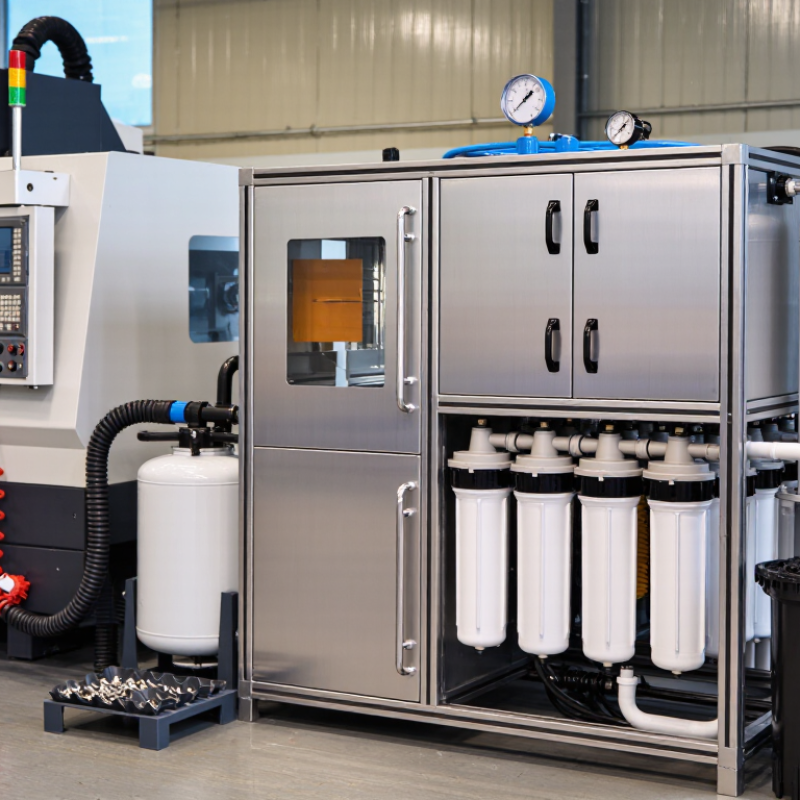
This guide to top CNC coolant filter systems for sale explains the practical details buyers should compare. Look at filtration method, stated capacity, replacement-media cost, maintenance access, and how easily operators can inspect the collection area. Check whether the system handles tramp oil or only solid particles; these are separate problems. A clear pressure gauge and accessible filter housing can save time during routine checks. So can a design that lets staff remove settled sludge without awkward lifting.
Product specifications are useful, but they do not replace a trial under real shop conditions. Ask suppliers how performance changes as the filter loads, and confirm that their flow figures fit your machine’s operating range. Also consider available floor space and the route for returning clean coolant to the tank. Small details count.
No filter eliminates every coolant issue. Fluid concentration, housekeeping, and regular maintenance still matter. A system can look ideal on paper and prove inconvenient beside a busy machine. That is worth admitting before purchase. Comparing these factors helps buyers choose a dependable solution, rather than simply the most impressive-looking equipment.
What a CNC Coolant Filter System Is and Why It Matters
A CNC coolant filter system cleans the fluid that carries heat and chips away from a cutting zone. Depending on its design, it may use screens, filter bags, paper media, or a settling tank. Some systems combine several stages. The goal is to capture metal fines and larger particles before coolant returns to the machine. Clean coolant helps maintain steady flow through nozzles and reduces abrasive debris circulating around the work area.
Small particles matter.
In daily operation, a filter system can support consistent surface finishes and reduce wear on pumps and machine components. It also makes coolant easier to manage, though filtration does not correct every coolant problem. It will not necessarily remove dissolved oils or restore depleted fluid chemistry. Operators should check flow, inspect collected sludge, and follow the coolant supplier’s concentration guidance. A pressure gauge can reveal a clogged filter before flow drops noticeably. Fit matters. A unit sized only by machine footprint may have too little capacity for the actual chip load. Filter choice should reflect coolant type, required flow, particle size, and maintenance habits. Even a well-matched system needs regular attention; that part is easy to underestimate.
How CNC Coolant Filtration Works
Top CNC Coolant Filter Systems for Sale
How CNC Coolant Filtration Works
Coolant leaves the machine sump carrying chips, fine metal particles, and sometimes tramp oil. A filter system returns it through a screen, bag, or cartridge. Coarse screens catch visible swarf; finer media capture smaller particles. Magnetic separators can remove ferrous fines, while settling tanks let heavier debris drop out. The right setup depends on the machining process and the particles it produces.
Watch the pressure gauge. As captured debris builds up, pressure across the filter can rise, reducing flow. A clogged element may send dirty coolant back toward the cutting zone. That can mean poorer surface finish or more tool wear. Filter ratings also need context: a stated micron rating may not describe every particle the system will retain.
Coolant quality matters, but filtration is not mist control. NIOSH’s 1998 Criteria for a Recommended Standard: Occupational Exposure to Metalworking Fluids recommends limits of 0.4 mg/m³ for thoracic particulate mass or 0.5 mg/m³ for total particulate mass, as time-weighted averages. These are airborne exposure recommendations, not coolant-cleanliness targets. Filtration alone cannot ensure those levels. This distinction is easy to miss. Inspect the sump, check filter pressure, and monitor coolant condition; even a well-sized system needs maintenance, and real shop results may differ from a neat specification sheet.
Common Types of CNC Coolant Filter Systems
Common CNC coolant filters solve different problems; choosing by micron rating alone can disappoint. Paper-bed or gravity filters pass coolant through disposable media, trapping fine swarf as a cake forms. They suit steady flows and predictable chip loads, but media costs and downtime add up. Magnetic separators remove ferrous fines from the return stream. They are compact. Yet aluminum and nonmagnetic grit pass through, so magnets rarely work alone. Bag and cartridge filters capture particles at defined ratings, while centrifugal units separate solids by density. Either choice depends on fluid viscosity, flow rate, and the debris produced by each cut.
Vacuum filters pull coolant through a media bed and can serve larger machine-tool systems. Central systems often combine settling, magnetic separation, and finer filtration instead of relying on one stage. That layered approach matters because tramp oil and bacterial growth need controls beyond particle removal.
NIOSH’s 1998 Criteria for a Recommended Standard: Occupational Exposure to Metalworking Fluids recommends an exposure limit of 0.4 mg/m³ for thoracic particulate. The report gives 0.5 mg/m³ for total particulate.
These are workplace aerosol limits, not coolant-cleanliness guarantees.
Measure actual flow and inspect captured sludge; even a well-chosen setup can be undersized. Sometimes, operators learn that the hard way.
Key Factors for Choosing a Coolant Filter System
Top CNC Coolant Filter Systems for Sale
Key Factors for Choosing a Coolant Filter System
A suitable coolant filter starts with the machining process, not the machine’s price tag. Check the coolant type, tank volume, and expected flow rate. A system sized too small may struggle during heavy cutting. One sized too large can add cost and take up valuable floor space. Fine grinding often needs tighter particle control than rough milling. Match the filter rating to the smallest particles that could affect surface finish, tool life, or pump performance. Check the machine maker’s coolant requirements, too.
Consider what the filter must handle each shift. Long metal chips, abrasive fines, and tramp oil create different demands. A conveyor or settling stage may help with coarse chips, while finer media can capture smaller particles. Ask how often the media needs changing and whether operators can access it safely. Downtime matters. So does disposal. Compare the system’s rated flow with actual coolant demand, not just the pump’s maximum figure. That detail is easy to miss. Also review pressure-drop limits, replacement-part availability, and cleaning access. A tidy filter cabinet is useful, but only if routine maintenance stays practical. Real shops are messy, and a design that assumes perfect upkeep may disappoint.
How to Compare CNC Coolant Filter Systems for Sale
When comparing CNC coolant filter systems for sale, match the filter to the fluid and chips, not just the machine’s advertised capacity. A fine rating can look impressive, yet clog quickly when machining produces stringy swarf or heavy fines. Check the stated micron range, flow rate, tank volume, and pressure drop together. Ask whether figures apply to clean water or your actual coolant mix. They may differ. A magnetic separator can capture ferrous particles, but it will not remove aluminum fines or other nonmagnetic debris. For mixed materials, consider staged filtration. No universal winner.
Look closely at service details. Can operators change media without spilling coolant across the floor? How often will baskets, screens, or filter rolls need attention during a normal shift? Compare replacement-media costs, pump access, and the space needed beside the machine. A system rated for a steady 40-liter-per-minute flow may still struggle during peak return surges. That detail is easy to miss. Request a trial using a sample of your used coolant, then inspect the filtered fluid and collected sludge. Also check how the unit handles tramp oil and settled fines. No specification sheet tells the whole story; real shop conditions are messier than test data.
Top CNC Coolant Filter Systems for Sale: Compare Typical Filtration Ranges
Compare common filter types by their typical nominal particle filtration range. Lower micron ratings indicate finer filtration.
These ranges are indicative, not guaranteed specifications. Actual filtration depends on the media, coolant, operating conditions, and whether ratings are nominal or absolute. Check the system specifications and required flow rate before choosing.
Related Posts
-
Why You Need a Bag Filter System for Efficient Air and Liquid Filtration
-

Top 10 Benefits of Hollow Fiber Membrane Filters for Water Purification
-
What is a Pulp Molding Machine and How Does It Work?
-

What is a Tangential Flow Filtration System and Its Benefits?
-
10 Filter Technology Tips for Global Buyers
-
7 Best Paper Pulp Production Methods for Buyers?